Launch Date: June 2025
Geography: New York City, New York
Founder: Roz Samimi, Founder + CEO
Executive Team: James Elterman, CFO + COO
Notable Advisor: Lilli Gordon
2026 Full Year Projected Revenue: Under $2M, according to industry estimates
Primary Category: Skincare
Funding: Friends and Family
Primary Distribution Channel: Prestige
Other Distribution Channels:
Key Retail Partners: Sephora
2026 Projected Offline Distribution Points: 5
My chronic acne was taking over my life. I did everything imaginable—biweekly extractions, antibiotics, dietary restrictions, monthly derm visits—but nothing worked. Then one day, I started Googling the ingredients in my own skincare products and found highly comedogenic ingredients in my tretinoin, my lip balm, moisturizer, SPF. My skincare was actively working against me, and I had no idea. That was my aha moment.
Once I replaced those products with the few truly acne-safe options I could find, my skin finally started to heal. But I had to piece it together myself, because no brand was built from the ground up with acne-prone skin at the center.
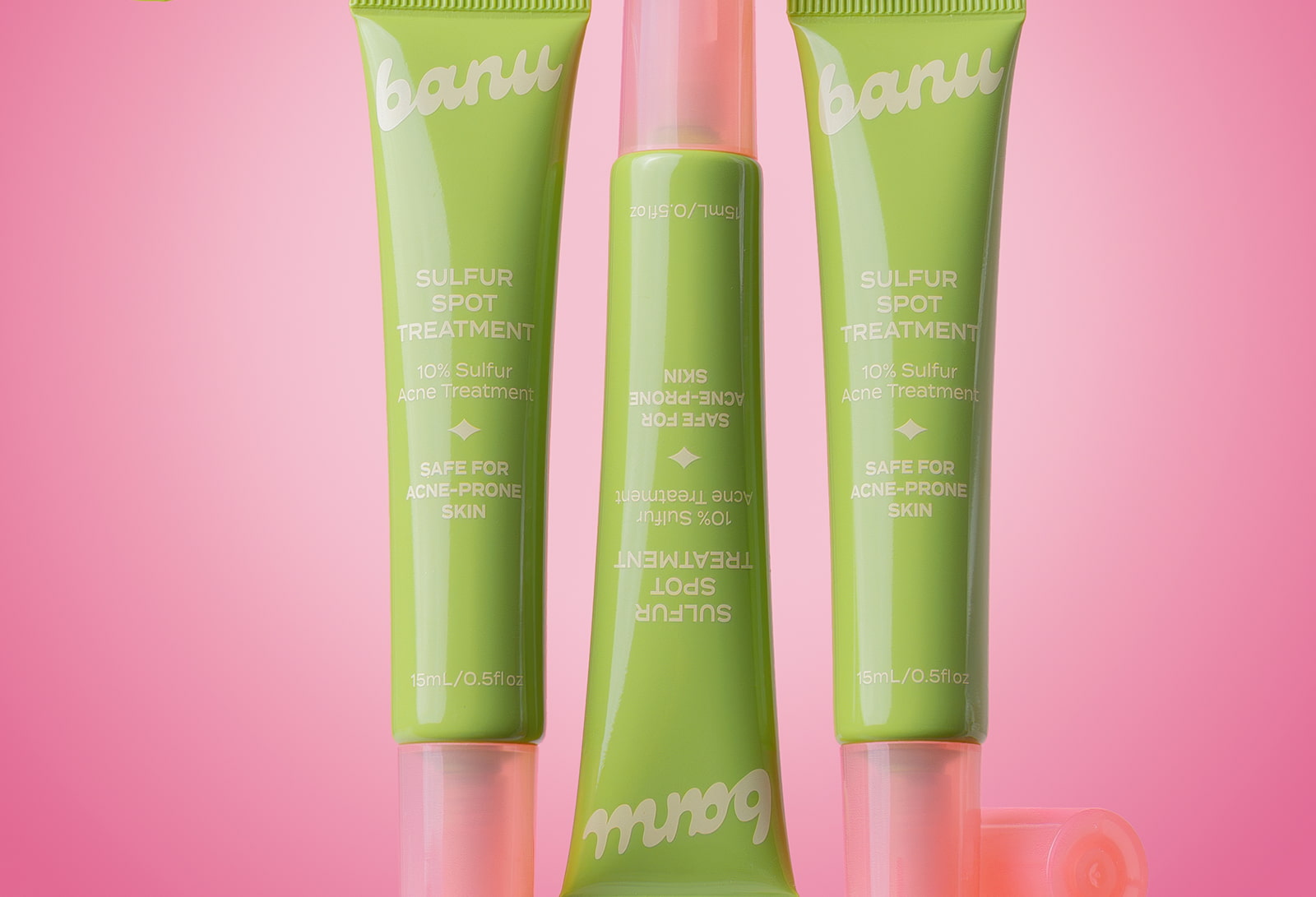
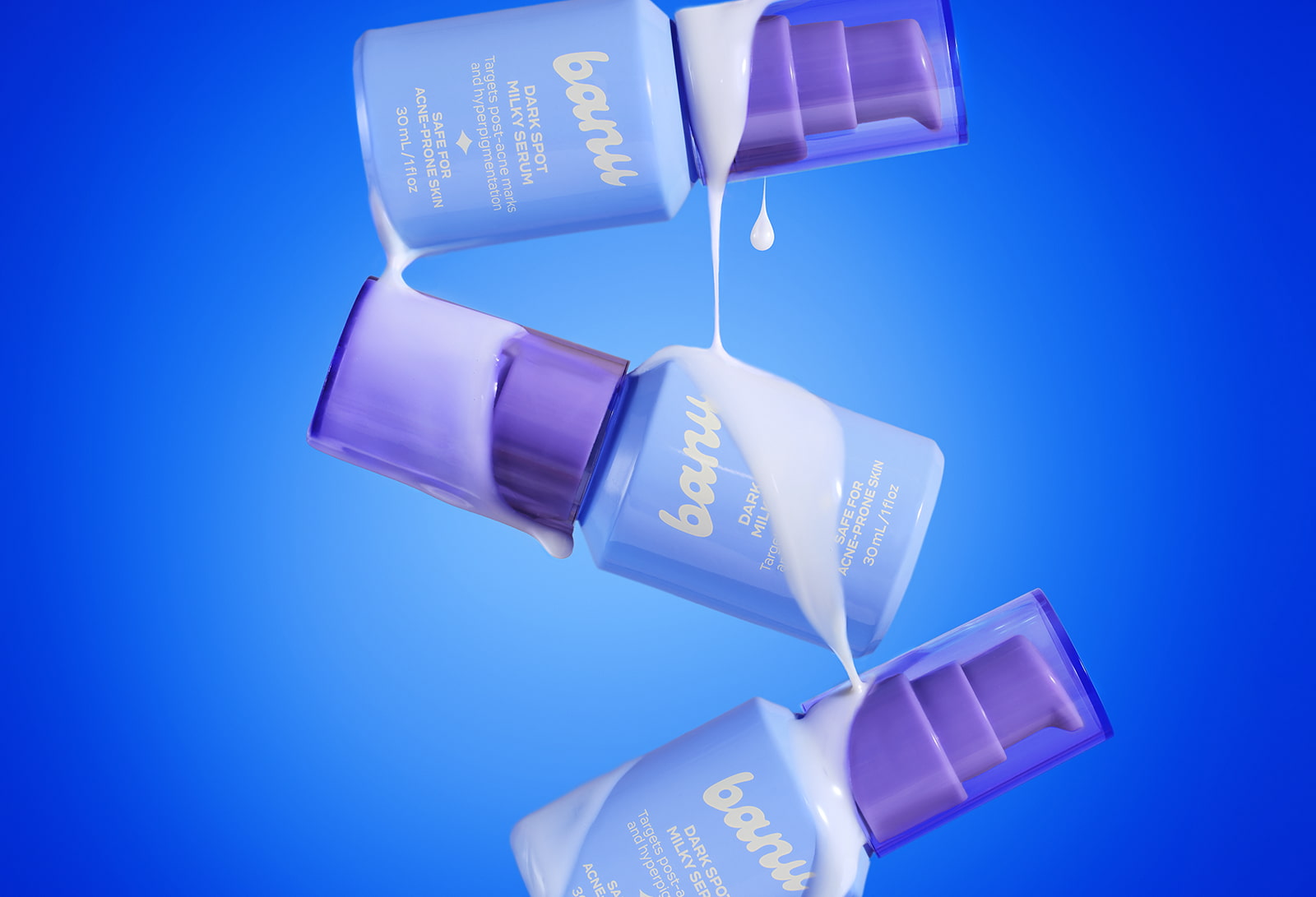
That's why I created Banu Skincare—a clinically proven skincare brand where acne-safe is the baseline. Every formula is free of pore-clogging and fungal-acne-triggering ingredients, packed with barrier-loving actives, and clinically tested on acne-prone skin across all six Fitzpatrick skin types. Our over-the-counter (OTC) treatments are equally reimagined to clear breakouts without the dryness, stinging, and irritation people have been conditioned to accept. Our philosophy is to approach acne care as daily prevention not just reactive treatments.
Insights: Roz Samimi, Founder + CEO
Why now and why you?
The timing is undeniable. Adult acne is rising and persistent: 50%+ of women in their 20s and 35% in their 30s+ live with acne. We're finally realizing acne is no longer a teenage phase; it's a permanent, underserved demographic.
The cultural moment has also shifted. Gen Z brought shame-free skincare into the mainstream, flipping the narrative from "fix your flaws" to "own your routine." Acne-prone consumers are vocal, ingredient-literate, and hungry for a brand that meets them with intelligence and respect not shame or clinical detachment.
As someone who has struggled with acne for decades and still does, I'm in a unique position to build the brand this community has been asking for. I know what it's like to do everything right and still break out. I know the anxiety of trying a new product. I know the conflicting advice, the shame spiral, and the feeling of being excluded by the beauty industry. That lived experience, and the decade of hard-won knowledge that came with it, shapes every product, every piece of copy, and every decision I make as a founder.
What fuels your competitive advantage?
There are two pillars that fuel our competitive advantage.
The first is our clinical rigor. Every Banu formula is developed without pore-clogging or fungal-acne-triggering ingredients and clinically tested for non-acnegenic safety on real people with acne-prone skin. Non-acnegenic testing is not the industry standard—for years, non-comedogenic has been the proxy for "acne-safe," but that testing is done on the back or neck, not the face, and it doesn't reflect the real experience of breakout-prone skin. We also test across all six Fitzpatrick skin types because our products need to be safe for every skin tone, not just the ones most labs default to. We set a higher bar, and we show our work.
The second is our deep understanding of the customer because I am her. I know how she thinks, what she fears, what she's been told that's wrong, and what she actually needs. That's not something you can research your way into. It shapes everything from our formulas to our brand voice to how we build community. The result is a brand that earns real trust with an audience that's been burned too many times before. So they keep coming back.
What’s your proudest accomplishment to date?
Being selected for Sephora Accelerate as a pre-launch brand with no background in beauty, and then launching on Sephora.com right out of the gate and selling out within one week. I'm proud of that sequence because it wasn't luck. It reflects how clear the problem is, how strong our point of difference is, and how much white space exists in this category. Sephora sees acne-prone consumers as massively underserved, and they believe Banu is the brand to change that.
What is the one thing you wish someone had told you?
How hard it is to grow a brand when your category requires heavy consumer education, and you're doing it without a built-in platform. Most successful beauty founders today come with an audience. I came with a point of view and a product. That means we're not just selling skincare; we're actively rewriting what people believe about acne care: why "non-comedogenic" isn't enough, why your skincare might be breaking you out, and why treating acne reactively is the wrong approach. That education lift is real, and it's constant. It's also our biggest moat. I just wish I knew how much of the work would be building understanding before ever making the sale.
What would you tell your past self before starting this journey?
That it's the hardest thing you've ever done, and it's worth it. You're going to doubt yourself constantly. Competitors will pop up. There will be setbacks you didn't see coming. Building something without a playbook is a lonely, humbling experience. But keep going. Because the products you're creating will actually change people's lives. They'll give someone their confidence back. They'll make a person with acne feel seen by an industry that's been ignoring them for decades.
And keep looking inward. Put your blinders on. The noise, what everyone else is building, what's trending, what the industry thinks you should do, will pull you off course if you let it. The most powerful thing you have is your own perspective and lived experience. That's what makes this brand irreplaceable. No one else can build Banu. So trust that. Hold the vision. Trust the work and keep persisting.
What does success look like in the next 3-5 years?
In three years, Banu is in Sephora doors, and in five, we're break even. Beyond that, success looks like "acne-safe" becoming a baseline standard in skincare the way "clean" has. It looks like every brand launching a new moisturizer has to answer: Is it safe for acne-prone skin? It looks like acne-prone skin is being treated with the same seriousness as sensitive skin across the entire industry.
What's one industry trend that is overhyped, and what's being overlooked?
Overhyped: pimple patches. The market is saturated with hydrocolloid patches that all do the same thing. Unless there's a genuinely innovative delivery mechanism or active ingredient, we don't need another one.
Overlooked: barrier-supporting ingredients in acne treatments. The assumption has always been that acne treatments have to be harsh to be effective. But a compromised skin barrier actually makes acne worse. Formulating actives alongside ingredients that protect and strengthen the barrier makes skin less prone to breakouts in the first place. The brands that formulate with real efficacy without the collateral damage are the ones that will finally give acne-prone consumers what they've been asking for all along.
How do you think the industry needs to evolve?
It needs to stop making acne-prone consumers settle. For decades, the implicit message has been: You have acne, so accept harsh treatments, boring aesthetics, and products that only do one thing. The industry has treated this demographic as a problem to be managed, not a consumer to be served.
The brands and retailers that recognize acne-prone skin as complex, multidimensional, and worthy of real innovation are sitting on a massive, underserved opportunity. The category is also long overdue for a harder conversation about testing standards—"non-comedogenic" is not a meaningful claim, and the industry knows it. Earning the trust of acne-prone consumers starts with holding ourselves to a higher bar.
If you could wave a magic wand, what one wish would you make for your business?
More brand awareness. I'm confident in our product and our retention proves it. We already have customers who've purchased 5+ times, and we're barely a year old. Once more people find us and try us, we're on a rocket ship. The magic wand just gets us there faster.