Launch Date: December 2014
Geography: Charleston, South Carolina
Founder: Susanne Norwitz, Founder + CEO + Formulator
Executive Team: Paul Enck, CFO
2026 Full Year Projected Revenue: $2M - $5M
Primary Category: Skincare
Other Category: Haircare
Funding: Self-Funded
Primary Distribution Channel: DTC
Other Distribution Channel: Independent Retailers
Key Retail Partners:
2026 Projected Offline Distribution Points: ~250
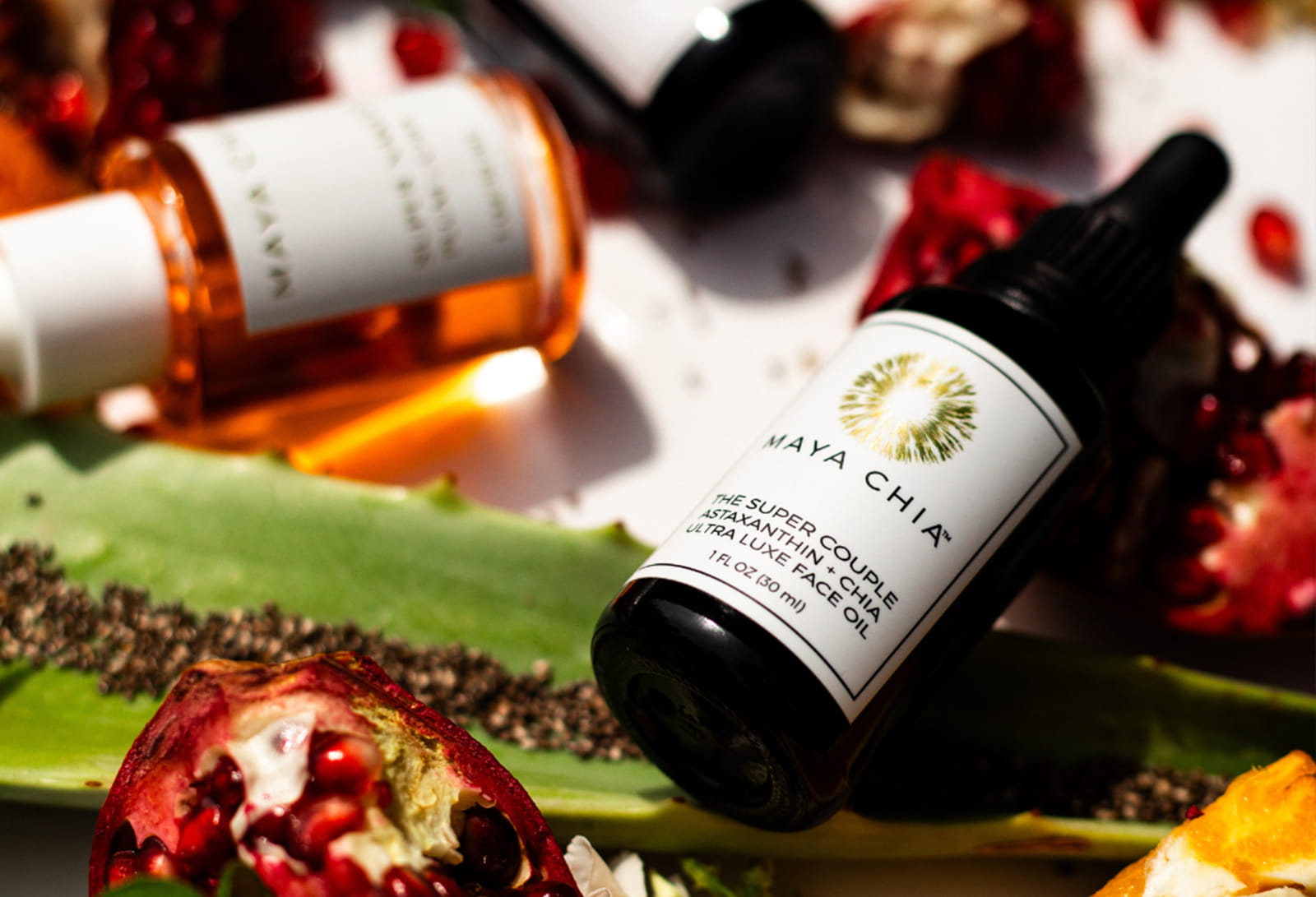
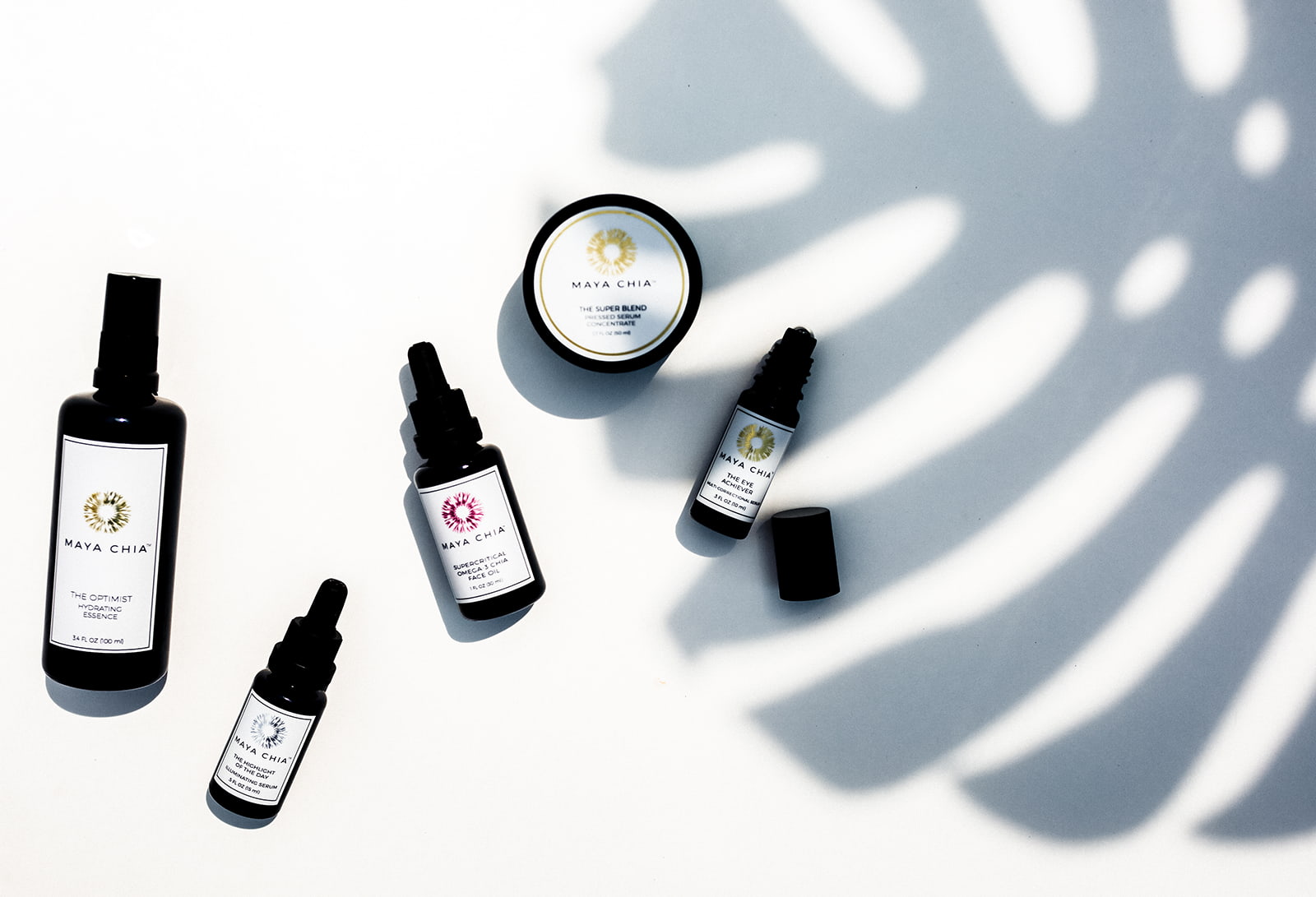
Maya Chia is the meeting of luxury skincare and haircare with clinical-grade performance—sensorial textures, clinically proven results, refined through meticulous attention to detail in our labs in Charleston, South Carolina.
Insights: Susanne Norwitz, Founder + CEO + Formulator
Why now and why you?
The clean beauty market has matured. The early shelf grab is over, and what remains is a sharper consumer—one who reads the label, asks for the data, and notices when a brand cannot deliver both. That is the moment Maya Chia was built for.
I formulate every product myself, which is unusual, and I have done so for more than a decade—long enough to see the category cycle through trends and consolidations. The discipline I bring from my prior career as a speechwriter—precision, an aversion to filler, a respect for the reader—translates well into a Master Formulation Record. We test every claim. We name every ingredient. We refuse to sacrifice efficacy to preserve margin. Over the years, that combination has compounded into trust—with consumers, with retail partners, and with the dermatologists and estheticians who keep us on their countertops.
What fuels your competitive advantage?
A founder who is also the formulator. That single decision shapes everything else. Because the lab is mine, I can move with the precision of a clinical chemist and the agility of a small brand—a speedboat among cruise ships. There is no committee between an emerging ingredient and a finished product. When the data on the growth factors we now use crossed my desk, it was in formulation within a year. When astaxanthin emerged as one of the most clinically interesting antioxidants in skincare, we built around it before the category caught up (a decade later!). Every claim sits on peer-reviewed evidence or our own in vivo testing.
The advantage is structural. Larger brands cannot match the speed. Many smaller brands cannot match the clinical depth. And the work compounds: More than a decade of formulating has built a proprietary library of clinically backed actives, refined formula by formula, in a lab that has never left the founder's hands.
What are you most proud of accomplishing to date?
Still being here—and thriving.
Many of the brands that launched alongside us have either been acquired, repositioned, or quietly disappeared. Maya Chia is one of the few that remains founder-owned, founder-formulated, and growing—with more accolades, not fewer, than we held at the start: Allure Best of Beauty, Cosmopolitan Clean Beauty Awards, Organic Spa Magazine recognition, and backbar relationships with some of the most prestigious spas in the world, including Miraval, Alila, and select Four Seasons properties.
Longevity in this category is its own form of proof. It means the science holds up, the customers are loyal, and the retail partners we work with trust us with their most discerning shelves.
What is the one thing you wish someone had told you?
That integrity is a slower business model—and that is the point.
Every shortcut a clean brand can take, I have been offered. Cheaper actives. Friendlier suppliers. Looser definitions of "efficacy." Every time, the slower path—formulating it ourselves, testing it ourselves, sourcing it correctly—has been the one that compounded. Some of the brands that grew fastest in the early wave are largely gone. The ones that grew honestly are still here. I wish someone had said that out loud at the start, so I could have stopped second-guessing the pace.
What would you tell your past self before starting this journey?
Trust the obsession. The hundreds of iterations on a single formula are not a sign you are taking too long; they are the actual product. The Harvard degree and the speechwriting career are not detours from a beauty brand; they are exactly the training. And the fact that you do not arrive with a traditional chemistry credential will matter less than the willingness to do the work, ask better questions of the chemists, and refuse to put your name on anything you cannot defend.
And to trust the harder seasons. They are not setbacks; they are how the brand is built.
What does success look like in the next 3-5 years?
Success looks like the same brand, deeper. We are not chasing scale for its own sake. We are deepening the science, expanding into adjacent categories where our platform extends—hair, wellness, professional spa—and continuing to publish clinical data that earns a place in the conversations dermatologists and formulators are already having. In retail, we want to be the brand that prestige and indie buyers both reach for when they need credibility on the shelf. Culturally, we want to be the proof point that a founder-formulated brand can set the standard for the category. Financially, we are highly profitable, we are growing, and we intend to keep both true on our own terms.
What's one industry trend that is overhyped, and what's being overlooked?
Overhyped: chasing trends instead of peer-reviewed, published research. The industry moves at the speed of Instagram, launching ingredients because they're buzzy, not because there's robust science behind them. We're quick to jump on the next "miracle" botanical or peptide without asking if there's actual clinical evidence—or if we're just repackaging the same story with a new name.
Overlooked: the importance of skin feel. Many beauty brands were so focused on ingredient lists they forgot that texture and skin feel matter. Look at Korean skincare—many of their formulations don't contain novel or exotic ingredients, but their textures and sensorial experience are unmatched. That pillowy bounce, the way a cream melts into skin, the satisfying slip of an essence—it's designed to feel luxurious. Western clean beauty could learn from that obsession with tactile pleasure. If a product doesn't feel incredible, people won't use it, no matter how "good for you" the ingredient deck is. Efficacy and sensoriality are not mutually exclusive, and K-beauty has been proving that for years.
How do you think the industry needs to evolve?
The industry needs to close the gap between what the marketing says and what the science supports. Too much of the category still operates on storytelling—beautiful narratives wrapped around ingredients whose clinical evidence does not survive close reading. The brands that will matter in the next decade are the ones producing real data: in vivo studies, published research, and formulations that hold up to the scrutiny of dermatologists and formulators—not just consumers.
We also need to retire the trend cycle. The category does not need another ingredient of the month. It needs depth—sustained investment in a smaller number of actives, studied across years, formulated with intention. The brands that will matter in 2030 are not the ones launching fastest in 2026. They are the ones quietly running studies, refining formulations across iterations, and resisting the pressure to ship before the data is ready.
And we need to be more honest, full stop. Not in the obvious ways—in the structural ones. The fine print on supplier-side claims. The certifications without teeth. Consumers can sense when a brand is performing integrity rather than practicing it. So can buyers. The industry's most valuable currency over the next five years will be the kind you cannot fake.
If you could wave a magic wand, what one wish would you make for your business?
That a single application could say everything I've been trying to say in words. So much of building a brand is translation—why something works, why it's different. If the rigor behind every formulation could land on first touch, that would be a revelation. Short of that? A warehouse that manages itself. I'm not picky.