When Good Day by Patchology, a new collection of clinical-grade skincare products, officially launches at Ulta Beauty on July 27, shoppers won’t find it in the skincare aisle.
Instead, the new sub-brand from Patchology—the skincare brand known for its face masks and under-eye patches—designed to bridge the gap between skin health and emotional well-being, will sit in the wellness aisle, alongside supplements, sleep aids, and intimate care. Good Day features a collection of serums, mists, and creams, built around a proprietary mood-boosting ingredient the brand calls molecular sunshine. The placement decision, made by the largest specialty beauty retailer in the US, Ulta Beauty, may say more about where the industry is headed than the launch itself.
While much of the modern skincare industry has spent its time promoting efficacy through clinicals, actives, and percentages on the label, Good Day is selling a feeling—and Ulta Beauty is merchandising it accordingly. It’s a small but noticeable decision with large implications, arriving at a moment when the global wellness economy has reached a record high of $6.8 trillion and is projected to hit $9.8 trillion by 2029, according to the Global Wellness Institute. And in the US alone, McKinsey pegs the wellness market at $480 billion, growing 5% to 10% annually, with 82% of consumers calling wellness a top or important priority.
Chris Hobson, President and CEO of Rare Beauty Brands and founder of Patchology and its sub-brand Good Day, sees the math plainly. The wellness opportunity, he said, “if you just look at the total dollars, dwarfs the beauty opportunity in terms of market size.”
Rare Beauty Brands doesn’t usually build brands from scratch; it buys them. Outside of Patchology, the company’s portfolio includes nail care brand Dr. Dana, and as of October 2025, Kate Somerville, which it acquired from Unilever along with its Melrose Place clinic. “We call ourselves forever owners of forever brands,” Hobson told BeautyMatter. “I have a pipeline of brands that we're looking at for potential acquisitions; it's deep, and it's rich, and there's a ton of brands on it, but nothing looked like Good Day.”
That's half of the motivation behind this launch—he couldn’t buy what he wanted to own, Hobson said. “When I hear someone say, ‘Oh, we found white space in the skincare market,’ I'm like, ‘Did you really?’... But that’s what we genuinely did here. There is nobody using this molecular sunshine ingredient that we have,” he said.
The proprietary ingredient, he explained, combines Patchology’s transdermal expertise but differentiates itself by infusing the hero ingredient, molecular sunshine complex, which mimics the benefits of sunshine without the harmful rays. The formulation promises to support skin barrier health while also boosting one’s mood, Hobson said. It also includes other key ingredients such as French Indigo extract, ectoin, and glycerin+.
The other half of the rationale behind the launch, Hobson said, was due to the surplus of DMs from Patchology customers asking for “the juice in the eye patches in an eye cream.” To which, Hobson said, “When the consumer asks you for something, she's generally right.”
The beauty industry, however, suggests it’s not always that simple. Plenty of brand extensions have launched to real excitement and still failed. For example, Glossier launched its color line Play with major fanfare in 2019, and then quietly shut it down less than two years later. Meanwhile, others have paid off. Hero Cosmetics turned one pimple patch into a full acne care collection in five years, leading to a $630 million sale to Church & Dwight. The difference wasn’t the format—it was whether love for the original brand carried over to the new products. Hobson is betting Patchology's will. “Patchology has been around for 12 years. It's loved in the industry, and it's loved by consumers,” he said.
Hobson doubled down that he isn't worried about shoppers. “The consumer has given us permission to play in non-patch and mask formats,” he said, continuing that his initial worry was more about how retailers would receive it. “The retailers tend to be sometimes a little bit more skeptical,” he said. But with Ulta Beauty already a retailer, taking on the new brand was never the question. The real question was what Ulta Beauty would do with it.
Laura Beres, Vice President and Head of Wellness at Ulta Beauty, traces the retailer’s wellness push to its post-pandemic guest research. “We really started our wellness journey as we do with many things at Ulta Beauty, which is by listening to our guests,” she said. “Coming out of COVID, those same customers said, ‘Hey, we picked up these new [wellness] habits. We’d love for you, Ulta [Beauty], to start carrying these [products] because we already trust you as a beauty destination.’”
The result is Wellness by Ulta Beauty, organized by four pillars—Nutrition & Supplements, Intimate Care (including Life-Stage Care), Rest & Reset, and Essential Routines—and framed by a single directive. “What we talk about for wellness is empowering guests to find their feel-good, whatever that means to them, and wherever they are on their journey,” said Beres.
The business behind the framing is significant. Skincare and wellness was the retailer’s second largest category behind cosmetics, growing to 24% of Ulta Beauty’s sales in fiscal 2025, and the retailer added nearly 30 new brands to its core wellness assortment last year while expanding the wellness store footprint to more than 400 doors.
That’s why, Beres said, placing a skincare brand like Good Day in wellness was a no-brainer as it sits right in the middle. “We see Good Day sitting very squarely in that intersection,” she said. “That feel good element and that wellness root is really why we felt so strongly it was a fit more within wellness today.”
In store, “Patchology and Good Day by Patchology will sit side by side [in the wellness aisle] because they are also very symbiotic brands,” she said, sharing that both will live in the essential routine pillar.
“You will see in Ulta [Beauty], there are some skincare brands we've actually moved into wellness, and vice versa,” Beres said. The question her team keeps coming back to is where a shopper would naturally go looking. As she put it, they weigh “customer perception, and where we think, from a navigational perspective, our consumer is most likely to discover the brand based on what they're looking for and how that matches with how the brand really was innovated and brought to life.”
The shopper, she said, is already crossing the aisle on their own. “We see a lot of cross-shopping categories,” Beres said, pointing to guests pairing wellness with scalp care, functional fragrance, and skincare, including those on weight management journeys. According to Beres, 8 in 10 Ulta Beauty guests told the retailer they view wellness as a holistic category they want to shop as a lifestyle. Asked whether she pictures a wellness shopper discovering skincare or the reverse with Good Day, Beres didn't choose. “Probably both … and I think that's what's going to attract both shoppers to this brand,” she said.
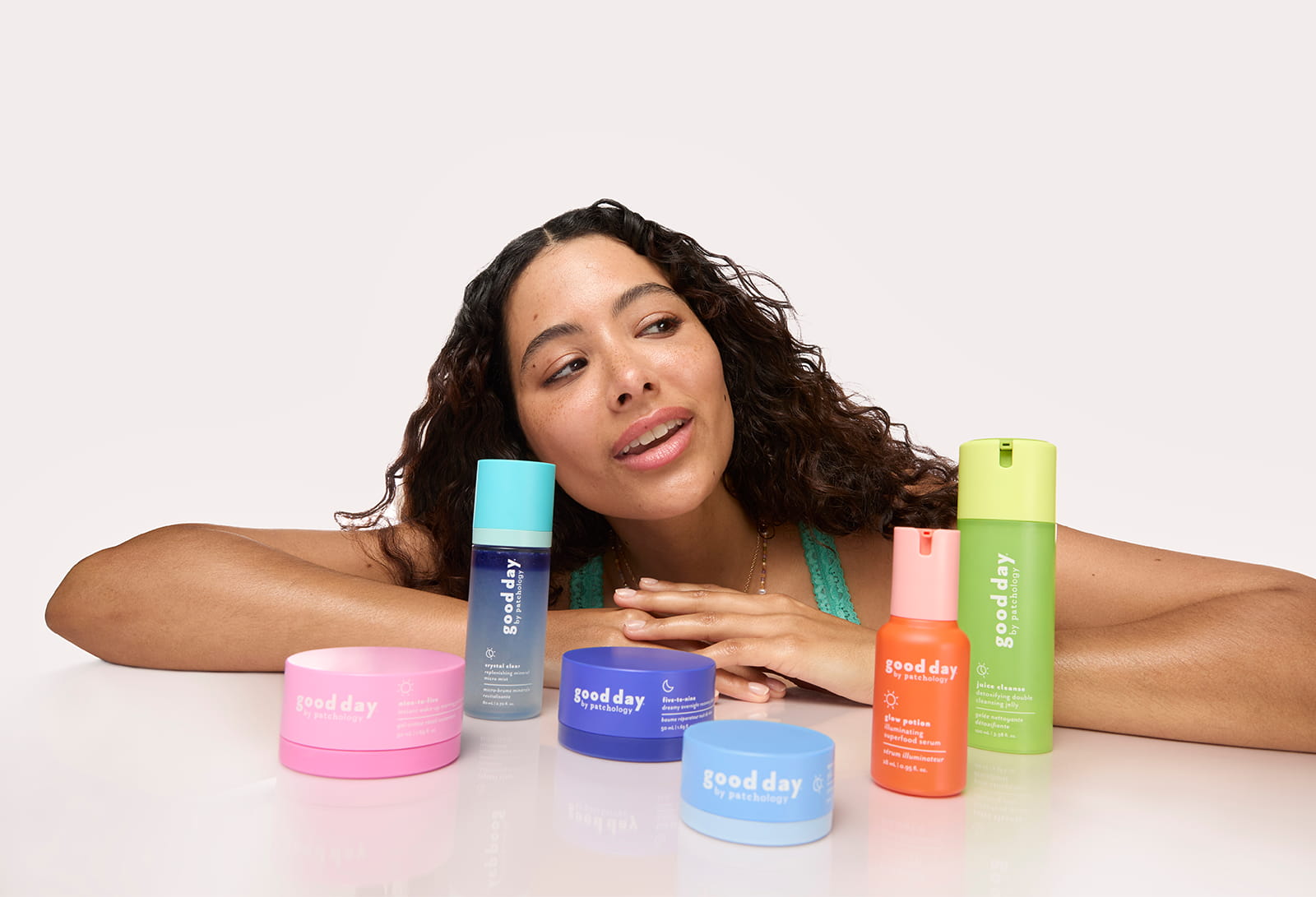
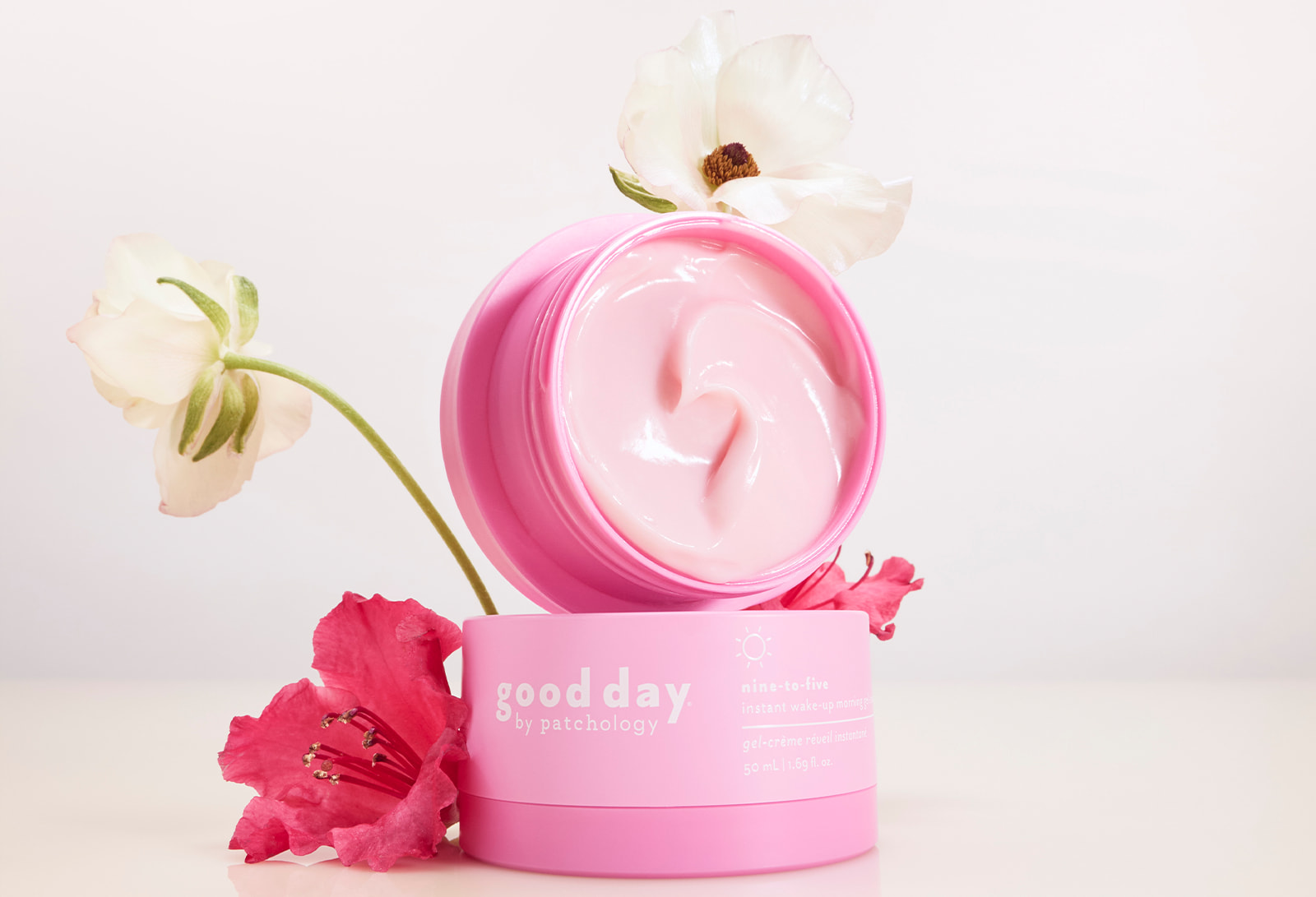
Retailers don’t typically put this much investment behind a brand new launch that hasn’t gained some sort of marketing hype yet, so why is Ulta Beauty leaning in?
Part of the answer is simply how the moment feels. Beres pointed to recent surveys highlighting that Americans are currently practicing self-care at a higher rate now than during the pandemic. A Circana survey published in April 2026 found that 67% of Americans currently practice mental/emotional self-care, up from 59% in 2022. “The world can be a heavy place. There’s a lot going on. The pace of change is high,” she said. A brand built entirely around joy lands differently against that backdrop. “We thought, ‘One, [the brand’s] product is just so good and feels like something that’s meant to be in an Ulta Beauty,’ but also it’s something that we’re confident our guests are going to love, too.”
The other part is the business. Ulta Beauty executives have previously shared that wellness is one of its biggest growth bets, and Good Day is a chance to show the bet paying off. The launch is also a first as it stretches access to Ulta Beauty’s newest asset, SpaceNK. “One of the great things for Ulta Beauty is actually that this is launching in SpaceNK at the same time,” Beres said, referencing the British prestige retailer Ulta Beauty acquired in July 2025 for a reported price of over £300 million ($408 million). “We’re really excited to be able to share learnings across markets,” Beres added.
Hobson saw the same fit from his side of the table. After eight years of Patchology selling at Ulta Beauty, he knew where the retailer was headed. “They’ve talked about [prioritizing wellness] in their earnings reports,” he said, adding, “so with Good Day, we felt like we had something that’s wellness-focused, that pushes skincare into wellness. … It felt like a match made in heaven.”
For now, Good Day will remain exclusive to Ulta Beauty—and Hobson said he likes it that way. “We’re not peanut buttering ourselves thin across multiple different places.” However, he adds that there is a world in which Good Day will expand into new retailers. “Over time, I think every brand in the history of the world expands beyond its exclusive partner, but that's not our focus right now.” The focus, he said, is “knocking this launch out of the park.”
And how will Ulta Beauty know it worked? The early scorecard is simple, says Beres. “Out of the gate, we will, of course, look for awareness of this brand to grow and focus on driving trial,” Beres said. From there, she says her team will be “looking at the kind of footprint [the brand has in] the store, how many stores they're in, and [will build] a growth path from there.”
The reality is Good Day isn't the only brand chasing this crossover. Skincare made to lift your mood, a category the industry calls neurocosmetics, is already a roughly $2.3 billion global market growing about 8% a year, and nearly half of it is skincare. Even Sisley has a line, Neuraé, and other brands like Last Skincare, Bonjil, and Stamina Cosmetics already exist on the market. In short, this is a real category now.
So is the wall between skincare and wellness coming down at Ulta Beauty anytime soon? Beres isn’t ready to say that, but she does agree on where things are headed. “We are continuing to see beauty and wellness largely converge in the mind of the shopper.”
That’s why this launch is about as fair a test as the idea will get. And if Good Day works, it would indicate that a sub-brand can win when the existing brand love is real, and that skincare can sell from wherever the shopper's head already is.
“We saw this brand and immediately fell in love with it because it is just so rooted in a place of pure joy and effective ingredients,” Beres said. Whether the guest agrees, the shelves will show soon enough.