K-beauty has brought many viral delights to beauty fans worldwide: glass skin, sheet masks, 10-step skincare routines, jelly blush, centella asiatica, and snail mucin serums, to name a few. Now the country is nurturing and exporting its next big thing: fragrance.
While the last few years have seen a rise in homegrown perfumery talent, the roots of the country's scent culture go much further back. Korea is home to fragrant botanicals like ginseng, perilla leaf, artemisia, and camellia sinensis. During the Joseon Dynasty (1392-1897), hyangnang—small silk incense bags filled with aromatic herbs and woods—were worn to ward off insects, and traditionally contained ingredients like cinnamon bark, cloves, star anise, dried citrus peel, and angelica root. Traditional Korean architecture, emphasizing a harmony with nature, relies on fragrant organic materials like hanji (paper made from the mulberry tree), hinoki, pine, and red cedar.
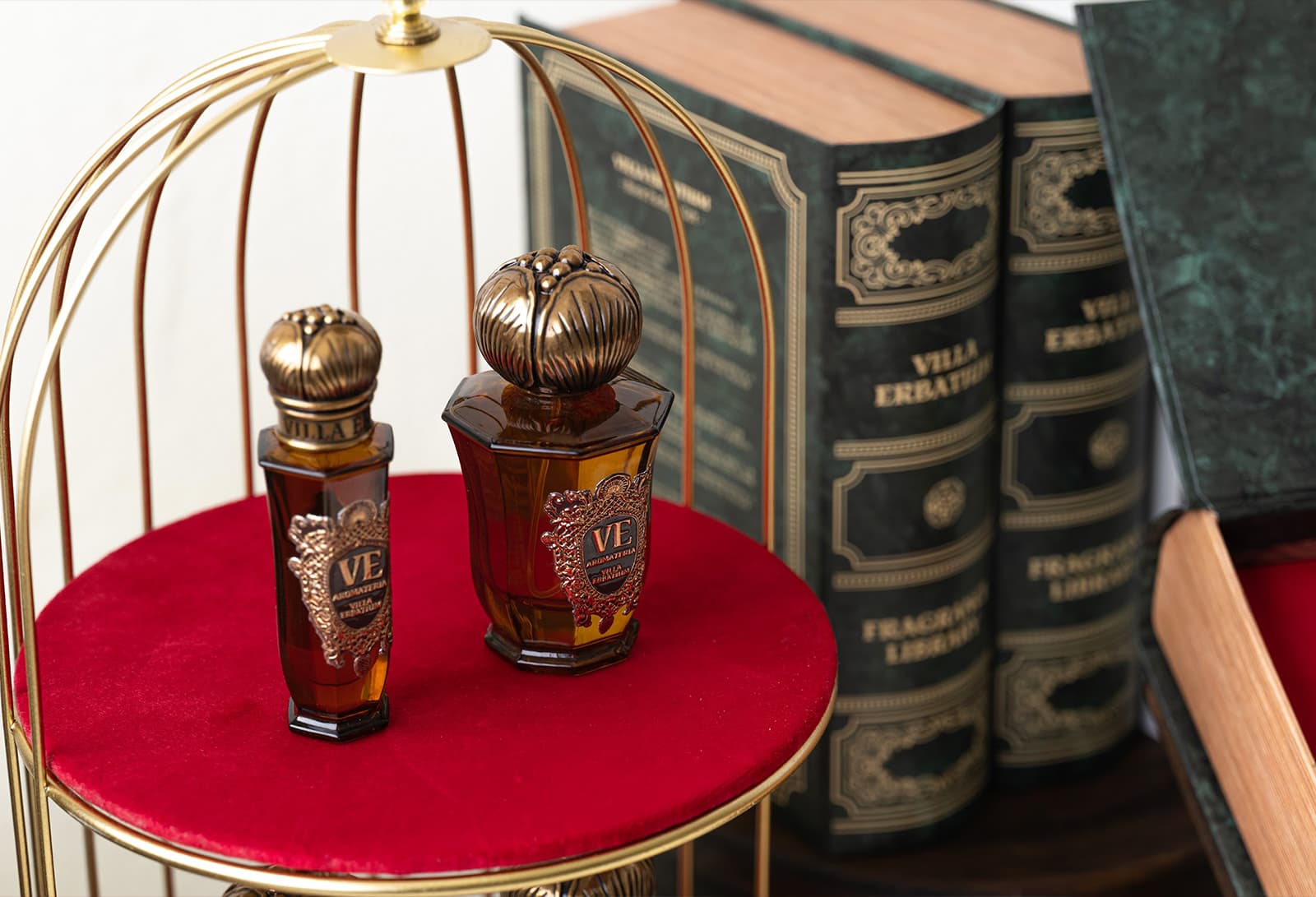
Until recently, it was Western brands that dominated personal fragrance. With a growing curiosity for niche fragrance houses, South Korea has seen a rise in homegrown brands over the last five years, like BORNTOSTANDOUT, Elorea, Villa Erbatium, Tamburins, Concreted, and BiBiANG. Now other markets want a whiff of the action: recent Google Trends analysis saw UK interest in Korean perfumes grow by 20% from April 2025 to 2026. The South Korean fragrance market is anticipated to grow at a CAGR of 7.6% over the next five years, reaching $681.8 million by 2030.
"What Seoul actually exports is intensity of execution. This is one of the most competitive cities on earth, and the competition does not play out in formulas; it plays out in creativity, retail imagination, and the totality of brand experience," Jun Lim, founder and Creative Director of BORNTOSTANDOUT told BeautyMatter. "The more brutal the competition, the more vivid and alive the brands become."
Lim sees his brand as a departure from the Korean mainstream, rather than relying on a list of historical ingredients; BORNTOSTANDOUT inherited Seoul's competitive energy. "That vibrancy, that insistence on standing out rather than fitting in, is the most Korean thing about us, and it happens to be the very thing global markets are now hungry for," Lim noted.
Devon Abelman, K-beauty and beauty branding specialist and founder of Abelwoman Inc., defines clean, minimalist scents as the truest hallmark of Korean perfumery, with a preference for sheer, fresh, and aldehydic compositions with low projection. "The Korean fragrance market is still in its early stages—10 years old at most—that even Koreans are still getting to know and trust," she explained. Indie Korean fragrance houses are also in competition with Korean beauty brands like Unove, D'Alba, Amuse, and Forment.
"Korean perfumery is still young compared to the traditional European houses, which makes it exciting. There is room to define a new language: one that balances heritage, modernity, restraint, and emotion," said Wonny Lee, CEO of Elorea, whose fragrances incorporate materials including aged Korean soy sauce, limes from Jeju Island, perilla leaves, hanji paper, Korean pine, and makgeolli. For brands like Elorea, which is "born in New York, rooted in Seoul," or Villa Erbatium, whose founder studied perfumery in Italy, there is also a blending of cultures and practices that create a unique creative lens.
Villa Erbatium perfumer and founder, Caterina Minseo, sees Korean perfumery's strength in its ability to translate culture, emotion, and everyday experiences into scent. At a September 2025 pop-up at Brooklyn-based retailer VIBE TWLV, the brand showcased fragrances inspired by rice makgeolli, green grape beer, and dalgona. "Many visitors had never encountered these cultural references before, yet they immediately connected with the emotions and atmosphere conveyed through scent," she stated.
Scent may be a universal language, but the way it's perceived and purchased varies greatly from region to region.
Lim states that the challenges of the US vs. Korean market are "almost opposite problems, and treating them the same is how brands fail." The Korean consumer is more cautious, with a limited appetite and less developed personal taste. Winning requires relentless celebrity visibility and a flawless 360° brand experience. Lee echoes this. "There is more initial skepticism and price sensitivity, partly because we are rooted in Korean culture, and most Korean consumers' exposure to niche perfumery has historically come through global luxury groups." He admits that the challenge is earning trust and proving that, ingredients aside, Korean fragrance brands can invest in and produce products that are equal to, if not better than, what currently exists.
The US, by contrast, suffers from an abundance of taste rather than a narrowness of it, Lim states. Its size and fragmentation make coverage the main challenge, with Gen Z discovering brands through social platforms and DTC channels. The upside is a consumer already primed to embrace fragrance as bold self-expression. BORNTOSTANDOUT's clean, musky Dirty Rice is its Korean bestseller, while Drunk Lovers, a boozy, fruity chypre, claims the title in the US. "Home gave us our identity and our proving ground. America gave us our scale," Lim noted.
For Elorea, the US (where it first launched) remains its larger market, but Korean sales are growing exponentially month over month. Its bestseller globally is Hazy Blue, an aromatic fragrance with bergamot, cool ozone accord, lily of the valley, and amber. Villa Erbatium's bestseller in both markets is Rice Makgeolli Eau de Parfum, inspired by the traditional Korean rice wine, with a soft milky accord and nutty almond notes. "In that sense, Rice Makgeolli has become one of the clearest examples of how a deeply Korean cultural story can become universally meaningful through scent," Minseo explains.
As Abelman notes, many brands face a strategic fork. "Many have to decide which market means more to them: the US or Korea. Many choose the US and sort of reverse-engineer their popularity in Korea, as we've seen with many Korean skincare and makeup brands."
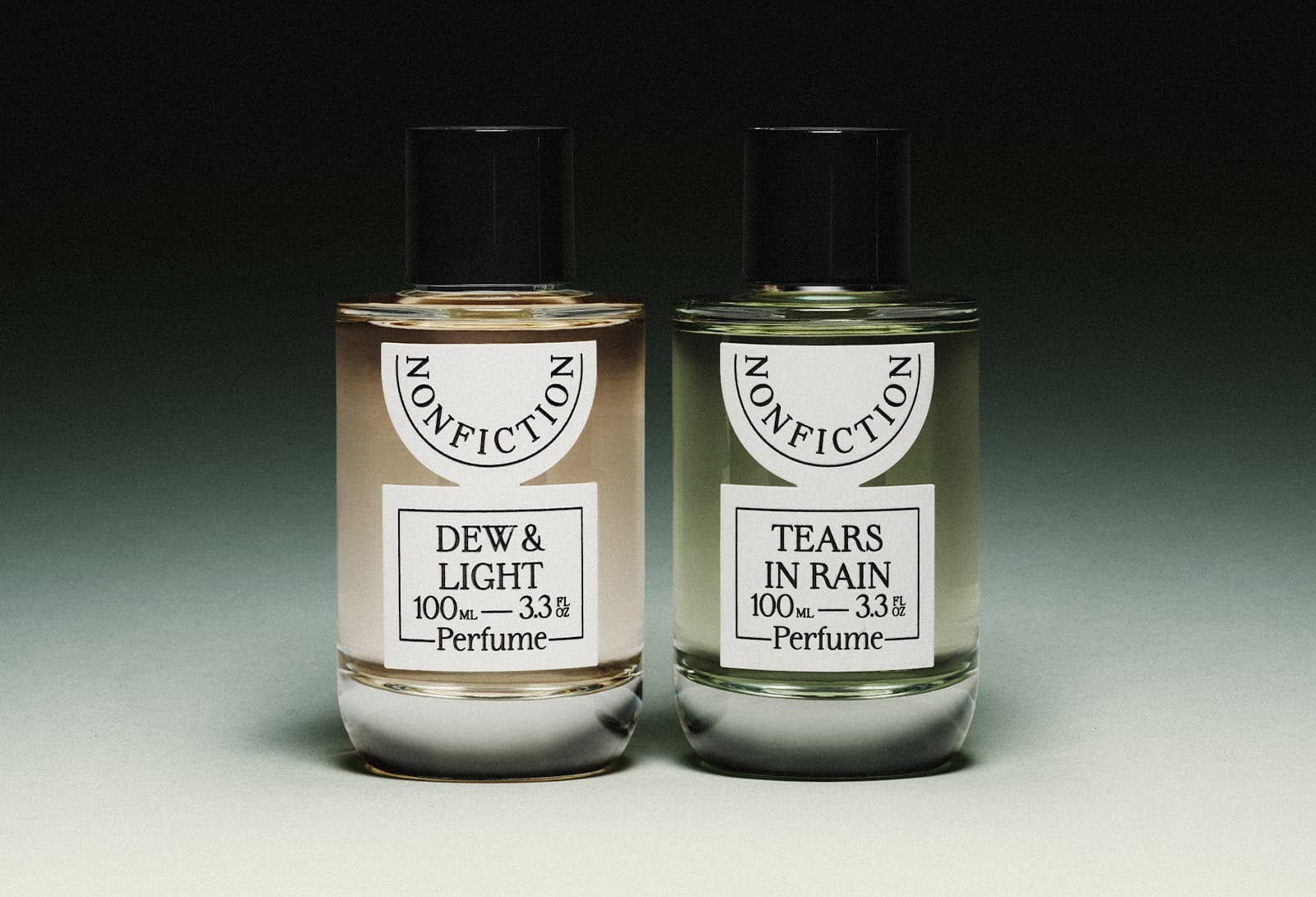
K-fragrance brands have undoubtedly harnessed the power of in-store experience, investing heavily in their own retail footprints. Elorea's New York and Los Angeles locations merge scent, art, and taste, complete with a cafe menu and commissioned artworks. BORNTOSTANDOUT landed at Sephora in early 2026, increasing US sales tenfold year-over-year. Nonfiction opened its Lower East Side store in May 2026; its global stockists already include KITH, END., and Moda Operandi.
From the perspective of Jake Belanger, co-founder of NYC-based independent fragrance boutique Stéle, Korean brands stand out as "well-composed across the board. Strong design, thoughtful fragrance construction, and an overall polish that makes them easy for customers to connect with and convert on." At Stéle, Aerse, KST Scent, and LV1 Studio are all seeing considerable growth. But Belanger cautions against chasing scale too quickly. "A lot of brands coming into the states are chasing major scale, but that ambition tends to burn through what makes them special. Today's customer gravitates toward exclusivity and a product that makes them feel genuinely connected to it."
It would be too simplistic to relegate K-fragrance's appeal to the shadows of Korean skincare and makeup. K-pop ambassadors, the minimalist aesthetic of Korean fashion, and the global reach of Gentle Monster (under the same ownership as Tamburins) have all played a role in priming international audiences, Abelman noted.
But trend buzz alone doesn't build a legacy. "Authenticity travels. When a brand isn't trying to be something for everyone and instead doubles down on its own story or heritage, customers feel that, and it lands," Belanger said. In an industry long dominated by Eurocentric perspectives, Korean perfumery offers a new lens. One that, as Lee puts it, "balances nostalgia, restraint, modernity, and emotion in a very unique way."
The most ambitious Korean fragrance brands are now expanding well beyond the bottle. BORNTOSTANDOUT launched a Fine Fragrance Coffee range in June 2026, developed with Mane perfumers. "We are moving deeper into people's lives, not wider across product categories," Lim explained. "We want to be woven into how people actually live, not just what they occasionally wear." Villa Erbatium is launching its Rice Makgeolli × Perfume Festival in July 2026, with beverage tastings and DIY perfume creation alongside new releases, and is eyeing future collaborations inspired by Dracula, BTS, and Harry Potter. Elorea, meanwhile, recently launched its first extrait formulation and is expanding into home fragrance and further experiential retail experiences. "Long term, our goal is to help define what modern Korean luxury can look and feel like on a global stage," Lee said.
"K-beauty opened the door, but it did not prepare the room," Lim reflected. The brands building something lasting are the ones lighting it up on their own creative terms, with an impact that lives on outside of it.