





In May 2026, medical journal The Lancet published a consensus paper announcing that the condition previously known as polycystic ovary syndrome (PCOS) would now be known as polyendocrine metabolic ovarian syndrome (PMOS).
For too long, medical and societal assumptions of PMOS and its symptoms stemmed from outdated expectations of femininity, institutional sexism, cisnormativity, and fatphobia. After 14 years of global collaboration, 22,000 survey responses, and input from researchers and patients, it was decided that this new name better reflects the multisystem disorder. UK charity Verity and Australia's Monash University campaigned for the change, arguing that the name itself has shaped how the condition has been understood, diagnosed, and treated. The hope is that more people will now be able to access the help needed to treat it effectively.
Dr. Gillian Goddard, author, board-certified endocrinologist, and Adjunct Assistant Professor in the Department of Medicine at the NYU Grossman School of Medicine, told BeautyMatter that the change came about to bring less-experienced clinicians and patients up to date with what PMOS actually is, as well as to shift the focus away from cysts in the ovaries, “which has never been a requirement to make a diagnosis,” she said. Physicians look for clinical or biochemical signs of high androgen or testosterone, and irregular or absent menstrual periods, as well as ovarian cysts; however, only two are needed for a diagnosis (after other causes are ruled out).
The renaming of PCOS to PMOS also reflects a broader shift in how women’s health is understood. The change no longer isolates reproductive (or cosmetic) health, but instead, approaches long-term metabolic and systemic conditions with both visible and invisible well-being implications.
Roughly one in eight people with ovaries is affected by PMOS worldwide, which makes this reframing commercially significant for beauty and wellness brands that are already targeting consumers through hormonal acne, hair thinning, stress, gut health, weight management, and cycle-support positioning.
PMOS affects women, trans men, and non-binary people from all over the world. Yet most of the messaging skews towards the cis experience. Simultaneously, the care received varies across racial groups and other marginalized communities.
According to the Centers for Disease Control and Prevention (CDC) and the Endocrine Society, an estimated five to six million American women are affected by PMOS, and as many as 70% of cases remain undiagnosed. Research suggests the condition occurs at similar rates across racial groups. Still, Black and Hispanic women are more likely to have more severe metabolic complications and are less likely to be diagnosed on time.
In the UK, the National Institute for Health and Care Excellence (NICE) estimates three to four million women have PMOS. Its July 2026 draft guidance now recommends women with irregular periods be checked for the disorder, and that women already diagnosed receive an annual National Health Service (NHS) review that covers current symptoms and signs (which include acne, weight gain, excess hair growth) and medication use. The diagnosis also carries the long-term risk of type 2 diabetes, cardiovascular disease, and mental health problems. The new name is reflective of the fact that PMOS affects the whole person, not just the ovaries. Professionals believe this will lead to faster diagnoses, as the current wait time for one in the UK can be over a decade long, while it's normal for people to see multiple doctors and wait multiple years. A third of sufferers in the US waited more than two years.
For Black people, a diagnosis can take much longer and be that much harder to navigate. Actor Keke Palmer has spoken publicly about "crippling" adult acne that took years to be connected to PMOS.
A 2021 systematic review and meta-analysis found Black women with PMOS have a poorer cardiometabolic risk profile than white women, including higher insulin resistance and higher blood pressure, despite lower triglycerides. Meanwhile, a 2023 review discovered Hispanic and Mexican women have a particularly high risk of insulin resistance, but flagged a persistent research gap: Too few Hispanic participants were included in these studies. The review also outlined elevated risks among South Asian and Indian women, specifically of metabolic syndrome (not just PMOS itself) compared to other ethnic groups.
The gender disparities follow suit: 2024 research found a 23.8% PMOS prevalence in young transmasculine patients presenting for gender-affirming care—higher than general population rates. One year later, an Argentine study independently reported the same 23.8% figure in a transmasculine and non-binary cohort. In 2026, a peer-reviewed study analyzing PMOS Reddit communities found many trans and non-binary users describe masculinizing symptoms, like hirsutism and absent periods, as gender-affirming, complicating the assumption that these traits are universally unwanted. It also underscores how universal treatment and solutions do not work. “I have long cared for LGBTQ+ individuals with PMOS,” Goddard said. “But consumer marketing focused on the reproductive symptoms may not resonate with all people with PMOS. If changing the name broadens the marketing of products to marginalized people with the condition, that would be a great thing.”
The US-based Polycystic Awareness Association (PCOSAA) is the largest nonprofit dedicated to the disorder. On its website, it states that language such as "just lose weight," or "it is only cosmetic," can minimize the complexity of symptoms and weaken patient trust. PMOS sufferers deserve clear, neutral, patient-centered language that creates room for better care.
As supplement and skincare brands adopt PMOS-adjacent claims like hormone balance, insulin sensitivity, and metabolic support, Megan Stewart, PCOSAA’s founder, told BeautyMatter that the companies getting condition-specific products right “are honest and don’t overpromise”; instead, they use phrases such as “this may help,” “alongside your doctor's care,” or “talk to your provider.”
Where brands go wrong, according to Stewart, is “telling people to drop their medication and 'go natural.' That's not just bad wording; it can genuinely hurt someone. Then there's 'balance your hormones,' which sounds nice but really means nothing. 'Cure PMOS' or 'reverse it'—nobody can promise that. And anything built around shrinking or shaming your body—many people with PMOS already struggle with food and their bodies; the new UK guidance from NICE said the same thing, so marketing that plays on that isn't clever; it's dangerous,” she added.
Dr. Eleni Armeni, NHS consultant, endocrinology editor at Maturitas and Frontiers, and board member of the European Menopause and Andropause Society, told BeautyMatter that a significant communication gap remains. “Professional terminology does not always reflect patients’ practical questions and concerns.”
“Our team—the DEVI Collaboration at the University of Birmingham—is working to rename and update its multilingual, peer-reviewed educational resources in line with the new PMOS terminology, while clearly explaining the change to patients. Co-producing these resources with patients will be essential to ensure that the language is accessible, culturally relevant, and genuinely useful,” she added.
Improving PMOS outcomes means improving how it’s communicated.
From PMOS belly to the PMOS cortisol loop, acne to hair loss, most of the content found online has one focus: how to look better. But minimizing the condition misses the point.
For example, PMOS acne is driven by hyperandrogenism and hyperinsulinemia rather than the local, follicular factors behind ordinary acne, which is why it tends to resist standard topical treatments. The hormonal nature also means that it appears in clusters along the jawline, chin, and lower face and neck, rather than the typical T-zone distribution. The same androgen pathway also produces hirsutism (dark hair around the chin, upper lip, chest, and abdomen) and androgenic alopecia (temporal or diffuse scalp thinning). Yet targeted treatment is scarce. “There is an opportunity for an additional focus on products that improve insulin resistance and metabolic function,” Goddard said.
BeautyMatter’s 2025 NEXT50 brand, Blume, was inspired by one of the founder’s PMOS diagnoses. Since its launch in 2018, the skincare company has championed “real faces and real stories” to promote healthy, empowering messaging.
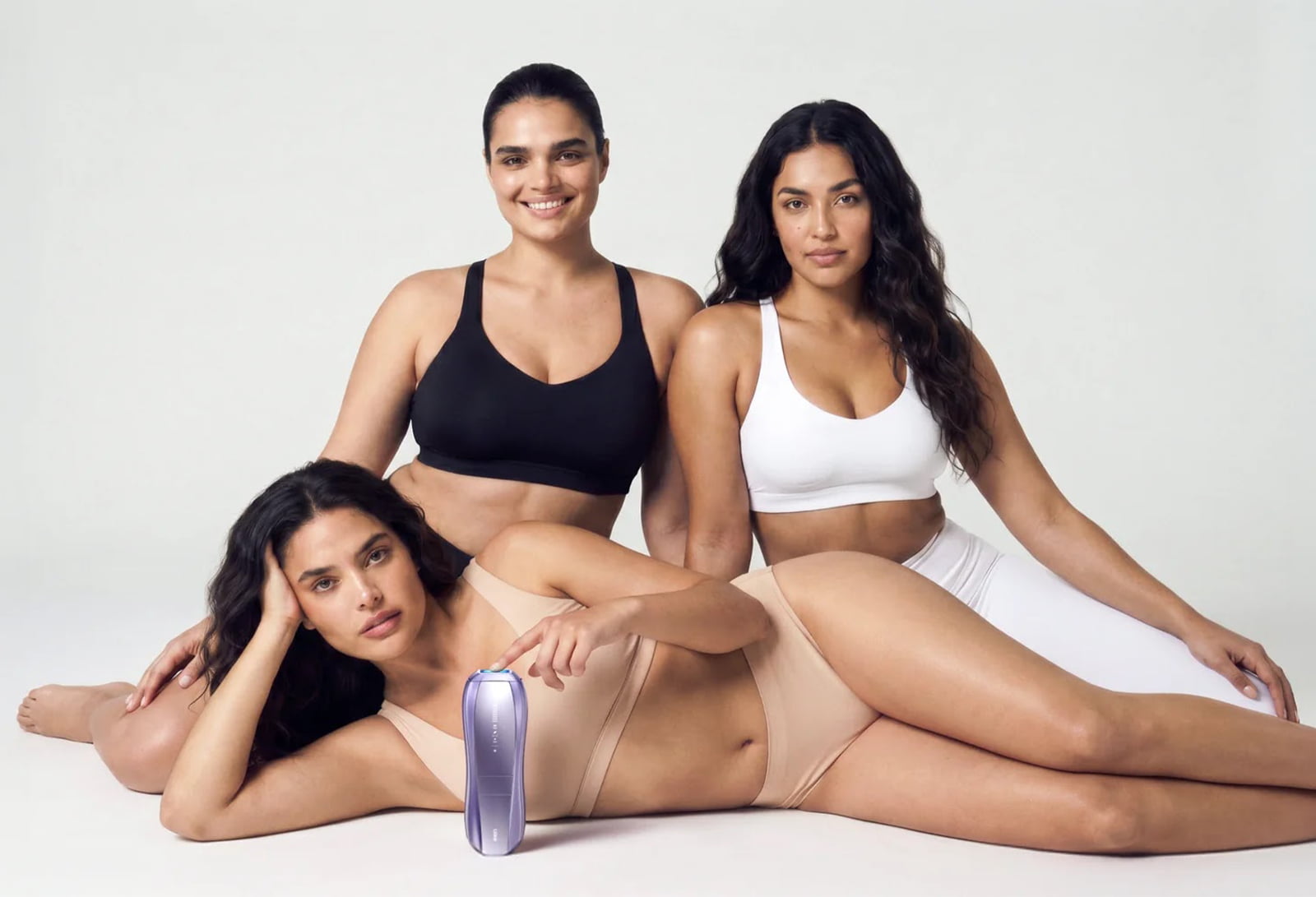
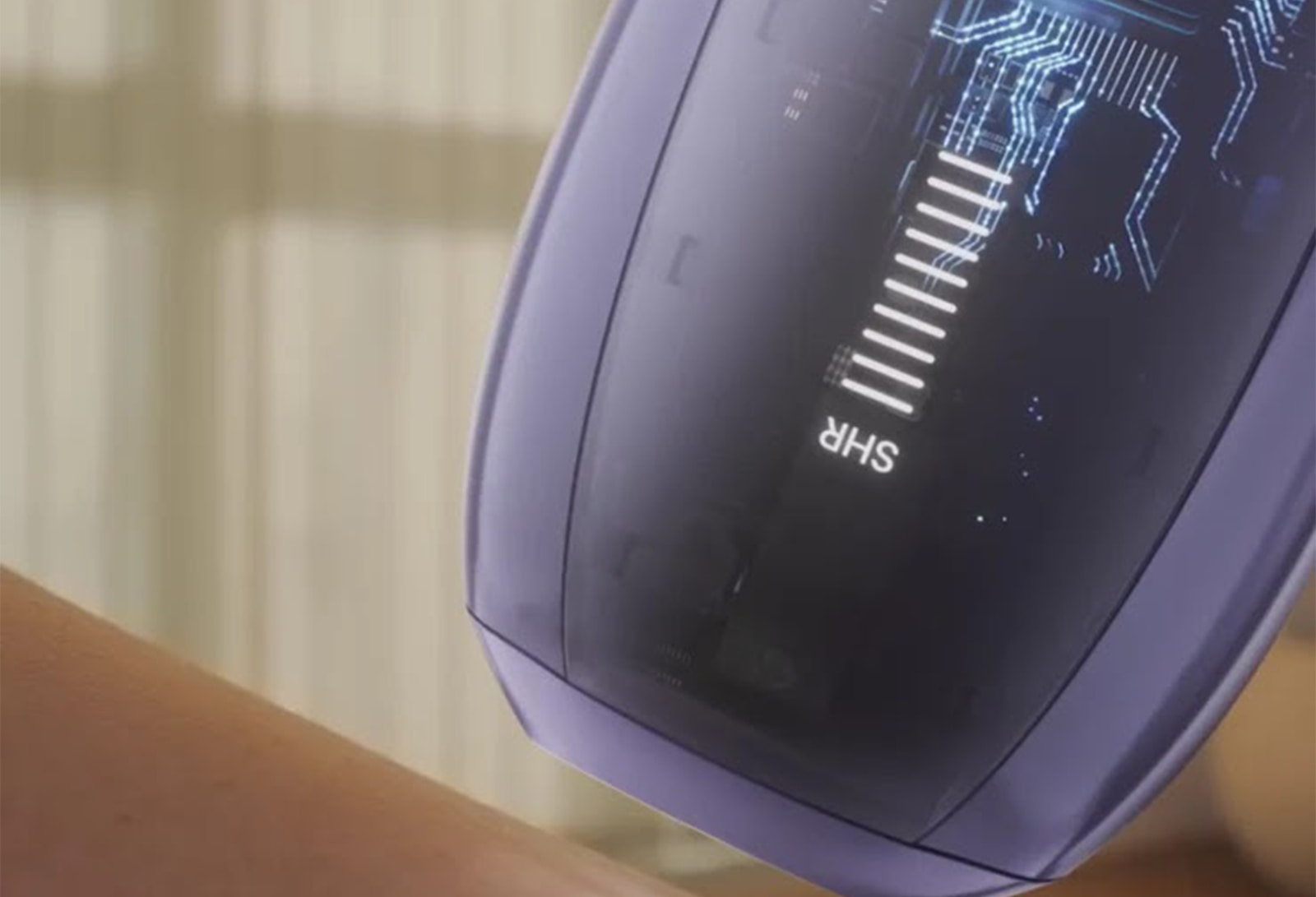
Similarly, raising awareness, beauty tech company Ulike held an event in March 2026 that evolved into a broader conversation about hair removal, hormones, and confidence. “One thing I've learned from listening to women living with PMOS is that too many brands assume they're primarily motivated by conventional beauty ideals,” Stephanie Ferreira Russi, Brand Creative Director at Ulike Global, told BeautyMatter. “The opportunity for our industry is to shift from selling the ideal beauty [standards] to supporting people's real lives.”
In June 2026, Kourtney Kardashian Barker's brand, Lemme, released its Balance Hormone Support Capsules to target hormonal and ovarian health—similar supplements to holistic cycle-care brand Rael’s Hormone Balance and Sova’s OvaStart and Sugar Balance, as they all contain the insulin signaling nutrient, inositol. Armeni explained that PMOS is heterogeneous: Not everyone experiences the same degree of insulin resistance or metabolic risk. “Brands should avoid presenting PMOS as a single metabolic profile or using the new terminology to market generic ‘hormone-balancing’ products,” she said.
“Responsible messaging should acknowledge this diversity and avoid suggesting that one product or intervention is appropriate for everyone with PMOS,” she added.
Meanwhile, misinformation runs rampant online, muddling the market and making it difficult for people to find solutions that work. In response, influencers posing as medical experts are exploiting the lack of treatments by selling fake cures.
To cut through the noise, Jenny Westlund, a former Deloitte consultant and biomedical engineer, is building a personalized health platform, Emmi Health, with an approach that fuses coaching and data. “Emmi is both complementary and filling a gap: We do educate patients on evidence-based supplementation strategies, but since we take an inside-out approach, our focus is first on building the hormonal foundation that reduces the visible symptoms of PMOS, so that [the patient] is not so reliant on topical acne treatments or hair removal just to feel good in their body,” she said. “One client in our pilot program rated acne as a 5 to 7/10 in the week before her period, and by the end of 12 weeks this had come down to a 1/10,” she added, highlighting the menstrual cycle’s effect.
People with PMOS deserve personalized care that actually works. One of the latest solutions easing symptoms is GLP-1. But just like metformin before it, there are affordability and accessibility issues.
Studies show people with PMOS are four to seven times more likely to have depression and anxiety, three to six times more likely to have an eating disorder, and 8.47 times more likely to attempt suicide. Body image issues have long plagued people with the condition, as insulin resistance, estimated to affect between 50% and 90% of sufferers, sits at the root of much of it. High insulin levels drive excess androgen production, which in turn produces the visible symptoms—acne, hirsutism, weight gain, hair thinning—that carry the heaviest social and psychological toll.
For decades, metformin, a drug commonly used to lower and control blood sugar levels in people with type 2 diabetes, along with oral contraceptive pills, has been the default treatment course, even though it’s never been FDA-approved for PMOS specifically. The medication significantly improves insulin sensitivity, reduces androgen levels, and has also been known to restore menstrual and ovarian cyclicity.
GLP-1s have the same off-label status as metformin. But both come with side effects. According to Dr. Melanie Cree, one of the authors of The Lancet’s article on renaming, notes that excess insulin confuses the ovaries into producing too much testosterone. GLP-1s stabilize insulin, which can lower testosterone and restore hormone balance.
And of course, weight loss also occurs. Patients on GLP-1s typically see an 11.5% weight-loss reduction per year, versus 1.9% on metformin.
Since societal pressure to be skinny is louder than it's been for decades, thanks to the rise of GLP-1s like Ozempic, people with PMOS who struggle with their weight are more likely to feel that pressure more than the general public.
Armeni’s co-authored 2026 research examined body image and well-being in people with PMOS, and found that GLP-1 therapies can provide important health benefits. But they “may reinforce the perception that weight is now easily ‘fixable,’ potentially increasing stigma and self-blame. Beauty and wellness brands should avoid equating health with thinness, represent diverse bodies, and clearly distinguish evidence-based care from aspirational marketing,” she said.
Evidence for the efficacy of GLP-1s specifically in PMOS populations remains insufficient, even though the drugs generally deliver real weight loss and metabolic benefit. However, to test the unproven but promising new treatment avenue, Dr. Shagaf Bakour was awarded an $80,588 (£60,000) NHS research grant to study the effects of Mounjaro and Ozempic on PMOS.
While these repurposed treatments can alleviate symptoms, they do not address the underlying condition. No existing medication was developed specifically for PMOS, leaving a significant white space for new approaches to a possible pharmaceutical pipeline.
PMOS's growing visibility, alongside deeper public understanding of insulin resistance, cortisol, inflammation, longevity, and hormone-linked skin concerns, is shaping a more medically literate consumer. PMOS is trending on TikTok with views in the billions. The PCOS Weight Loss account has more than 25.5 million likes. Unsatisfied with the care provided by medical professionals, people are turning to the internet or social media for self-diagnosis before they even walk into a doctor's office. Only 12% of women are satisfied with the advice they get from healthcare providers about PMOS, and 57.3% of patients are dissatisfied with the overall care they receive; hence why so many turn to Dr. TikTok.
Peer-reviewed analysis of the most-liked PMOS social media videos discovered only 8% were made by medical professionals, 31% by alternative practitioners, and 61% by everyday people or patients. The same study also found that 20.6% of the videos analyzed recommended a supplement and 9.2% recommended a tea or herb. A separate supplement-focused analysis of 100 videos found only 13 were made by medical professionals. Inositol was the most-discussed supplement, featured in 70% of the videos, followed by magnesium and vitamin D at 34% and 33%, respectively. Only two videos mentioned any adverse effects, and neither was created by a medical professional.
People with PMOS, like most beauty consumers in 2026, want science-backed products, not science-washing language. But vague claims are easier to fact-check with AI search tools today. Armeni was also part of a team that conducted research into the ongoing cardiometabolic implications of PMOS across different stages of life. “PMOS remains considerably overlooked during midlife, and further research is needed to define the unique metabolic burden experienced by this population at this life stage,” she said.
“Brands have an opportunity to provide credible, age-appropriate support around metabolic health, sleep, mental well-being, and body image, not simply weight loss,” she added.
Beauty’s big opportunity lies in treating the internal more and the external less.