





Menopause-related search data reveals a commercial tension point the women’s health industry cannot overlook.
In June 2026, JAMA Network Open published a study through its JAMA+ women’s health subset that tracked two decades of menopause Google Trends data. It showed commercial searches made up roughly one in five of all US menopause searches in 2010, rising to roughly one in three by 2025. What stood out most was that the most-searched commercial term was “black cohosh,” a North American perennial plant used historically for pain and menstrual irregularities by indigenous peoples, and used by women today for menopausal symptoms even though there is no proven evidence it works for hot flashes.
Lead author Francesca Farina, PhD, a Research Assistant Professor in the Department of Obstetrics and Gynecology at Pritzker School of Medicine, University of Chicago, told BeautyMatter that many menopausal women mention or ask about specific products they've come across when she speaks with them for her research. “That made me curious about what women are actually being exposed to,” she said.
The JAMA+ study concluded that medical guidance will increasingly have to compete with product-led messaging as commercialized menopause content continues to grow. A warning echoed by physicians in a CNN piece cautioning women against the current menopause marketing surge, and by The BMJ, where experts warned that the rise in direct-to-consumer menopause services raises concerns about commercial bias in the information women receive. The American College of Obstetricians and Gynecologists (ACOG) published its own consumer guide to help women detect menopause and perimenopause misinformation.
The menopause search commercialization index reveals a widening gap between what people are searching for and what's actually evidence backed. Are the brands at the forefront of the industry the ones closing that gap or widening it?
With perimenopause and menopause awareness growing, more dedicated research is being conducted while more symptom-specific remedies are launching in tandem, regardless of whether the evidence is there to back up the product claims.
“We wanted to know whether attention was increasingly being directed towards commercial products and services, rather than information about symptoms, diagnosis, or treatment. That seemed especially relevant now given how much the menopause market has expanded alongside public awareness,” Farina said.
When analyzing the Google search data across the US, UK, and Australia, Farina et al. split searches into “informational” (symptoms, diagnosis, and treatment) and “commercial” (supplements, apps, natural remedies) categories to find a "commercialization index" that rose 15%-20% across all three countries. In the US, the index rose from 22% to 37% over 15 years; however, “It wasn’t a smooth, identical rise across the whole period. The increase in commercial search share started earlier, whereas in the UK and Australia we saw a more pronounced acceleration after around 2018,” Farina said.
Black cohosh topping the commercial search list despite weak evidence it helps for hot flashes was a striking discovery, but it wasn’t surprising to Farina. Remifemin, a menopause-marketed supplement containing black cohosh, claims more than 60 years of medical research on black cohosh on its website. Thorne, the health and wellness company in the process of being acquired by The Procter & Gamble Company, features the ingredient in its $52 Perimenopause Complete supplement.
“Products like this can be very visible to women looking for something they can easily access, or that is presented as a more ‘natural’ option. What is interesting is the gap between that level of public interest and the strength of the evidence supporting its effectiveness. It’s a good reminder that what attracts attention online does not necessarily reflect what has the strongest evidence,” Farina continued.
Dr. Robin Noble, board-certified obstetrician-gynecologist (OB-GYN), EncorVita Health Chief Medical Officer and Let's Talk Menopause Chief Medical Advisor, told BeautyMatter that in her practice, she estimates roughly 50%-75% of people with perimenopausal or menopausal symptoms do research, but that it varies: “Some have explored over-the-counter options, supplements, and herbal remedies. Some have explored telehealth providers. Some come in on a hormone regimen already that may benefit from some adjustment. And some have suffered in silence for many years.”
Similarly, market research platform Spate reported searches related to perimenopause grew 52.7% year on year from 2024 to 2026, while menopause mentions increased 12.9 million year on year on Google, TikTok, and Instagram in the US.
The money follows a similar pattern.
The New York Times described the growing commercialization of menopause as a “gold rush” in 2022. Four years later, it shows no signs of slowing.
The US menopause market was valued at $6.41 billion in 2026 and is projected to grow to $8.03 billion by 2031 at a CAGR of 4.61%. The skincare segment of the US menopause market is expected to increase from $956.5 million in 2026 to $1,936.2 million by 2033 (at a CAGR of 10.6%), while the supplement sector is predicted to grow from $996.5 million in 2025 to $1.82 billion by 2034 (at a CAGR of 6.88%).
Market research noted Stripes Beauty’s January 2026 retail debut at Ulta Beauty as a mainstream milestone for menopause-specific skincare solutions, signaling that retailers are beginning to allocate dedicated shelf space to menopause and perimenopause. Cara Kamenev, CEO and Global Brand President of Stripes Beauty, told BeautyMatter that menopause is at a real inflection point. “Consumers are more informed and vocal about what they need, but we’re also seeing the broader market pay attention in a way it simply hasn’t before—from retailers and healthcare providers to brands, investors, and researchers,” she said.
Stripes Beauty, along with Womaness and others on the same shelf, utilizes science-driven positioning and consumer education as marketing strategies, understanding that people are drawn to trust and transparency. The latest arrival at the Ulta Beauty women’s health platform is Midi Health, which launched its menopause-specific supplements in-store in September 2026.
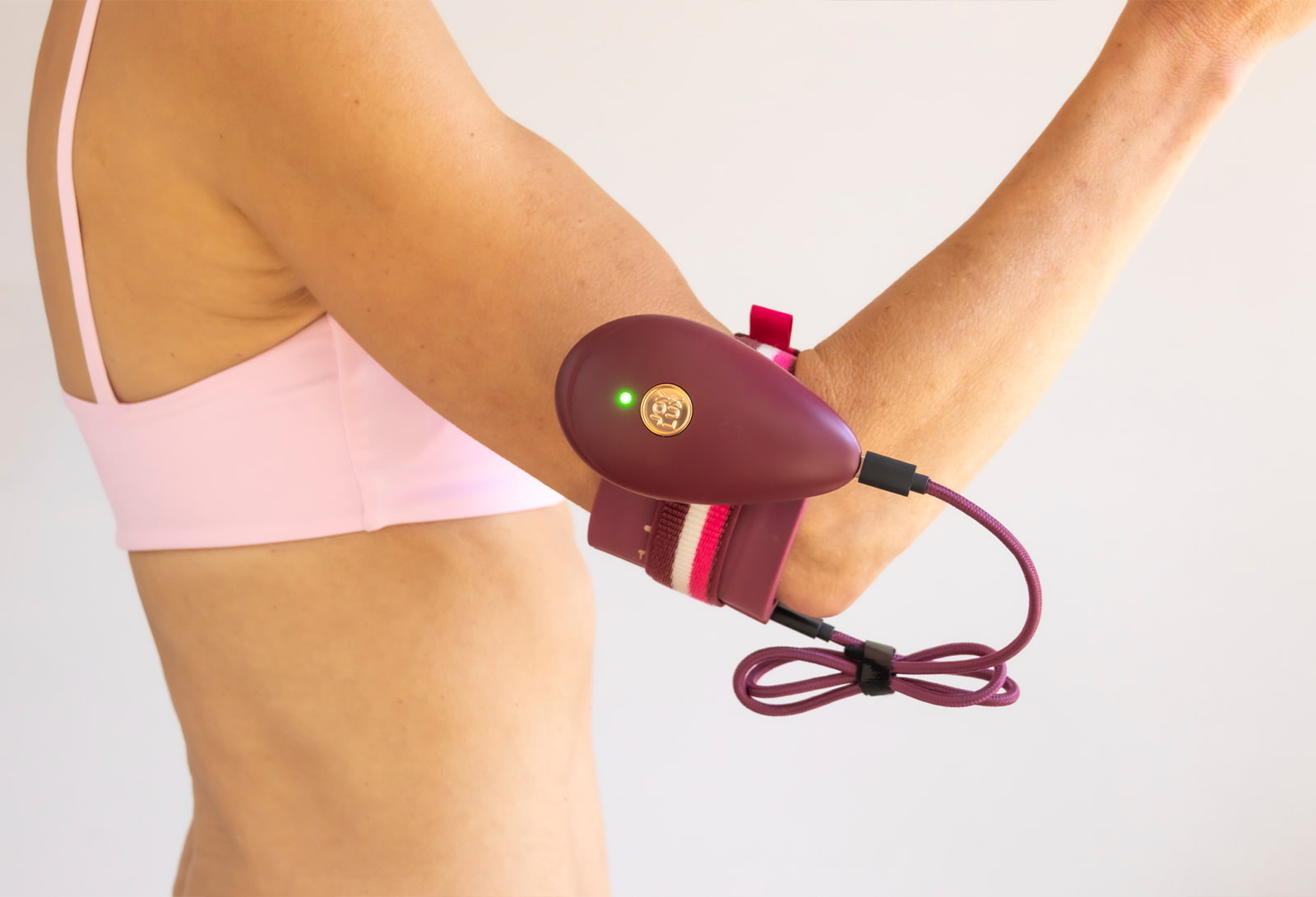
That same month, Joylux introduced Ilyeo body, a red-light therapy wearable medical device deftly designed to ease the pain commonly experienced by women in midlife. Built on the brand’s research and a dataset of over 23,000 menopausal women, the device’s development relied on clear patterns: “Joint and muscle pain kept showing up, and frozen shoulders get far more common once estrogen drops. Our customers shared openly with us, and we listened. Ilyeo body is the result,” Colette Courtion, founder and CEO of Joylux, told BeautyMatter.
Each year, an estimated 1.3 million people assigned female at birth in the US enter menopause; by 2060, 90 million will be postmenopausal. As the population ages and people become aware of symptoms at younger ages, the category’s financial opportunity increases. Research demonstrates that perimenopause symptoms can begin up to 14 years before the final period, and that Black and Latina women experience menopause earlier.
In response, people are searching for solutions earlier than ever. But how do they know what to search for? And how can they trust it works? The menopause market is littered with misinformation. In 2026, the ACOG decided the commercialization pressure was significant enough to warrant a consumer-facing guide on detecting false menopause information online.
Joylux understands clinical backing is important to cut through the noise, since much of the category is “unregulated and vague.” More than 30% of Joylux customers discover the women's wellness technology company through a medical professional’s recommendation. “That tells me providers trust what we're building. The rest find us through social, education, PR, search, and word of mouth,” she said.
While social media pushes products, evidenced or not, the research landscape tells a different story.
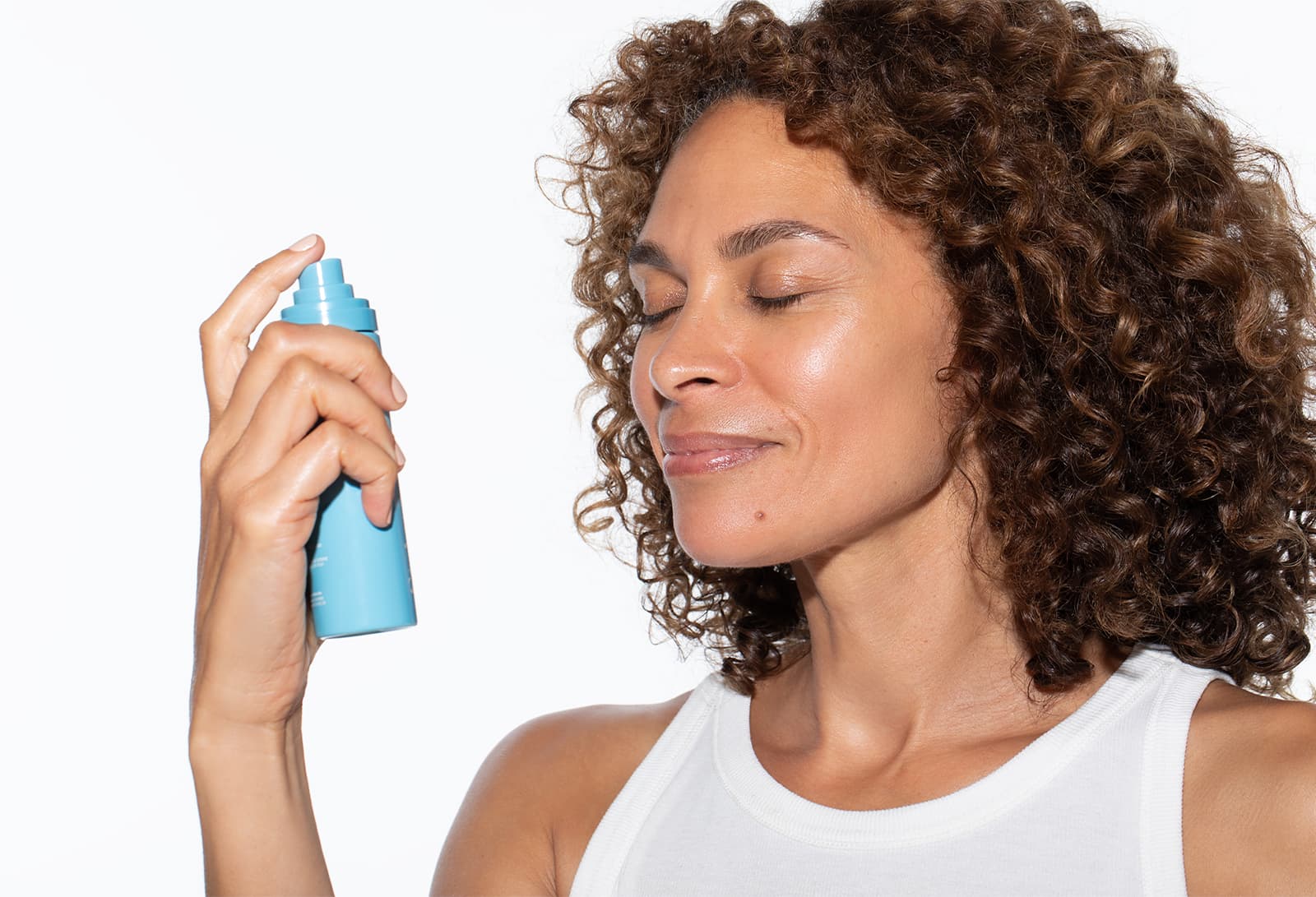
Menopause research is beginning to investigate the symptoms and product categories that make a difference, but access to evidence and evidence-based care remains uneven.
In June 2026, Dynata, on behalf of LifeStance Health, reported that a third of women don’t know there are mental health symptoms associated with perimenopause and menopause. That same month, saffron extract was found to improve depressive symptoms in postmenopausal women.
The study examined the influence of mood, sleep quality, self-esteem, and perceptions of appearance in women aged 50–70 experiencing low mood and poor sleep—a step in the right direction, since emotional well-being is often overlooked in menopause care and research.
The Menopause Society states depressed mood, irritability, anxiety, and mental exhaustion affect up to 68% of midlife women; its September 2026 study found systemic hormone therapy may help improve mood in menopause. Farina noted the US-based Menopause Society as an example of how medical organizations are making evidence-based guidance widely accessible and available: “They provide a wide range of public-facing resources, including written information and podcasts. That kind of approach helps meet women where they are and address the questions they are actually asking,” she said.
While emerging research sounds promising, a scoping review published in The Lancet Obstetrics, Gynaecology, & Women’s Health in June 2026 announced menopause care is failing globally. Drawing on evidence from 89 studies across multiple countries and diverse populations, the review found that many women experience fragmented care, a lack of support from healthcare providers, and limited access to evidence-based treatment.
Meanwhile, a September 2026 Calla Lily Clinical Care and ABIG Health white paper, The Business Case for Integrating Menopause Education into the Medical School Curriculum: a Central Issue, Not a Peripheral One, argued that physician training lacks menopause education, with wide-reaching costs including missed innovation and productivity loss. It stated that American women aged 45–60 face $25 billion in annual direct medical expenses and $1.8 billion due to missed workdays because of menopausal symptoms. Another September release points to data being the problem: a University of Colorado Anschutz analysis of nearly 396,000 women in the National Institutes of Health (NIH)'s All of Us Research Program found
that menopause appeared nearly seven times more often in patient surveys than in electronic health records (EHRs), highlighting how menopause is still being missed in institutions.
Noble noted that there are roughly only 4,100 trained, credentialed menopause providers in the US, and that new data points to high numbers of OB-GYN resident graduates feeling unprepared to treat menopausal patients. “Symptoms are being left untreated, people are suffering significantly, lives are being negatively impacted, jobs are being left, women are being misdiagnosed and gaslit or frankly ignored and told that what they are experiencing is 'just normal’ and 'should be expected,’” she said.
Information, she continued, is being trickled out, but not evenly or fast enough: “People in rural areas have additional challenges in accessing care, and this is where telehealth can fill in gaps, but [the menopause market] is in an ‘all hands on deck’ kind of place right now.”
However, while clinical evidence and consumer demand tend to move in different directions, they sometimes align. Google shows that search trends for “vaginal estrogen” track rising clinical endorsement and legitimacy from 2017-2023—a menopause-related search term trending because the evidence caught up, not because the market outpaced it.
The evidence base is growing. So is the market. It’s their speed that differs.
Brands selling menopause solutions, such as Remifemin and Thorne, haven’t needed to prove anything beyond longevity and trust. Joylux, by contrast, focuses on the kind of clinical backing many in the category skip. That’s the gap the index reveals: two different bets on what convinces a person to buy.
In response, governments are beginning to step up where it counts. For example, the International Organization for Standardization (ISO) released an international workplace standard for menopause (and menstruation), ISO 45010, in September 2026 to help organizations develop better policies and practices for people, such as identifying cost-effective workplace adjustments, promoting employee well-being, and reducing stigma to create more inclusive work environments.
Noble hopes and is actively working on initiatives to ensure that the next five years will see awareness and access to basic menopause care increase, along with legislative changes that mandate coverage for menopause care: “People are searching and struggling now, and they are often being taken advantage of by what I call ‘menoprofiteers,’ because we are not able to meet their basic needs today,” she said.
For Farina, the wider challenge is making personalized approaches and information as visible as the commercial content people encounter online. “Commercial content is often specifically designed to capture attention and perform well online, whether or not the underlying claims are accurate,” she said.
Menopause is a very personal experience, but most solutions on the market are generic, meaning they do not work for everyone. In response, people increasingly seek tailored guidance, creating an opportunity for brands to offer evidence-based personalization.
Until the menopause landscape changes, the gap the index measures won’t close.