It’s graduation season on campus. Students are eagerly awaiting their cap-throwing ceremony, apartments are emptying out, and seniors are closing the chapter on college life. But for beauty brands, attention is already shifting to what comes next.
Long before students return in the fall, strategies are being set for one of the most culturally visible moments in Gen Z college life: sorority recruitment. Months ahead of rush, brands are locking in ambassador networks, planning activations, and designing campaigns to land precisely when attention peaks. Because when rush begins, it doesn’t just happen on campus. It unfolds online, in real time, and at scale.
When new students come back to campus in September, sorority houses will have flatirons plugged into every outlet. One girl will be lining up her serums across a bathroom counter, another reapplying her lip gloss for a third time. Phones will be attached to StickyMates, and the ring lights will be on full beam. Cleanser, toner, SPF, setting spray. This won’t just be getting ready; it will be content, a ritual, a performance. And increasingly, marketing.
Welcome to RushTok, the TikTok-fueled ecosystem that has transformed sorority recruitment into a serialized, highly aesthetic, and deeply commercialized spectacle. With 1.4 million posts under its search term, what was once an insular campus tradition is now a viral cultural moment, with millions of viewers tuning in to watch outfit changes, skincare routines, and emotional “get ready with me” updates unfold in real time. For beauty brands, this is more than entertainment. It’s an entry point into one of the most powerful—and least penetrable—communities in Gen Z culture.
At the surface level, sororities offer scale: hundreds of members per chapter and thousands across university campuses. But scale alone doesn’t explain why beauty brands are investing so heavily. The real value lies in how influence moves.
Sororities operate as:
Windsor Hanger Western, co-founder and President of Her Campus Media, explains that the influence within sororities is driven by peer validation and word-of-mouth, which move faster than traditional social media. “A product recommendation from a sorority ‘sister’ is seen as a genuine endorsement and not an ad,” Hanger Western told BeautyMatter. “Brands that facilitate organic discovery, providing value in an authentic, shareable experience first, will win.”
In other words, sororities collapse the funnel. Awareness, consideration, and conversion often happen in the same room.
Beauty brands like Bubble Skincare are operationalizing this insight at scale. The business has built a campus network of 18,500 college ambassadors, with deep saturation at key schools (300 ambassadors at the University of Alabama, and 200 at the University of Florida). But more importantly, Bubble has shifted from activations to ecosystems.
In Alabama (where #bamarush has 1.3 million TikTok posts), the brand hosted multiple on-campus experiences and gifting suites during sorority rush, generating 3 million organic impressions. In Florida, it extended its engagement throughout the semester, reaching 1,000+ sorority members through sustained sampling and events.
Programs like the Face the Gameday Tour and Bubble Loves Ulta Tour bring the brand physically into sorority spaces and routines, driving 7,000 community sign-ups and 316,000 peer-generated social views.
“We approach sororities as communities, not channels,” Shai Eisenman, founder and CEO of Bubble, told BeautyMatter. “Our goal is continuity, not one of moments.” This is a critical shift. The value is no longer in showing up once but in becoming part of the environment.
Bubble is not the only brand to have tapped into the sorority scene. Anastasia Beverly Hills began working with sororities in 2023, and in two years, reportedly distributed hero products to over 3,000 sorority members nationwide. Good Molecules and Grande Cosmetics have also tapped into sampling opportunities in the past, as has Tarte Cosmetics, which sends sorority members #RushTok gifting boxes each year, designed to capture attention on campus and with a wider TikTok audience.
Sorority life is structured around recurring high-stakes social rituals, and beauty brands are increasingly designing for them. CNC Agency (CNC), which launched its CNC College division to formalize campus marketing, emphasizes aligning with these built-in moments:
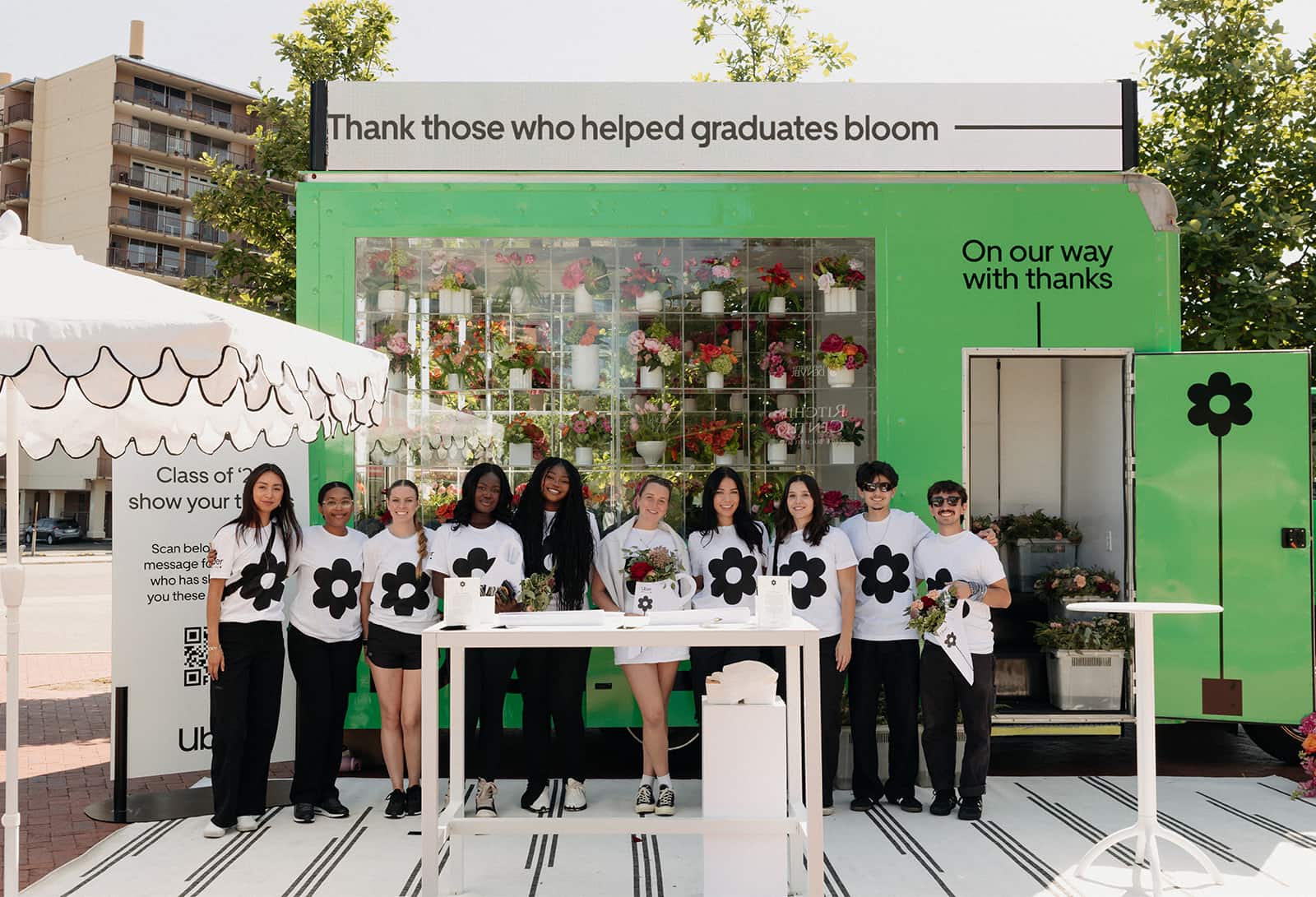
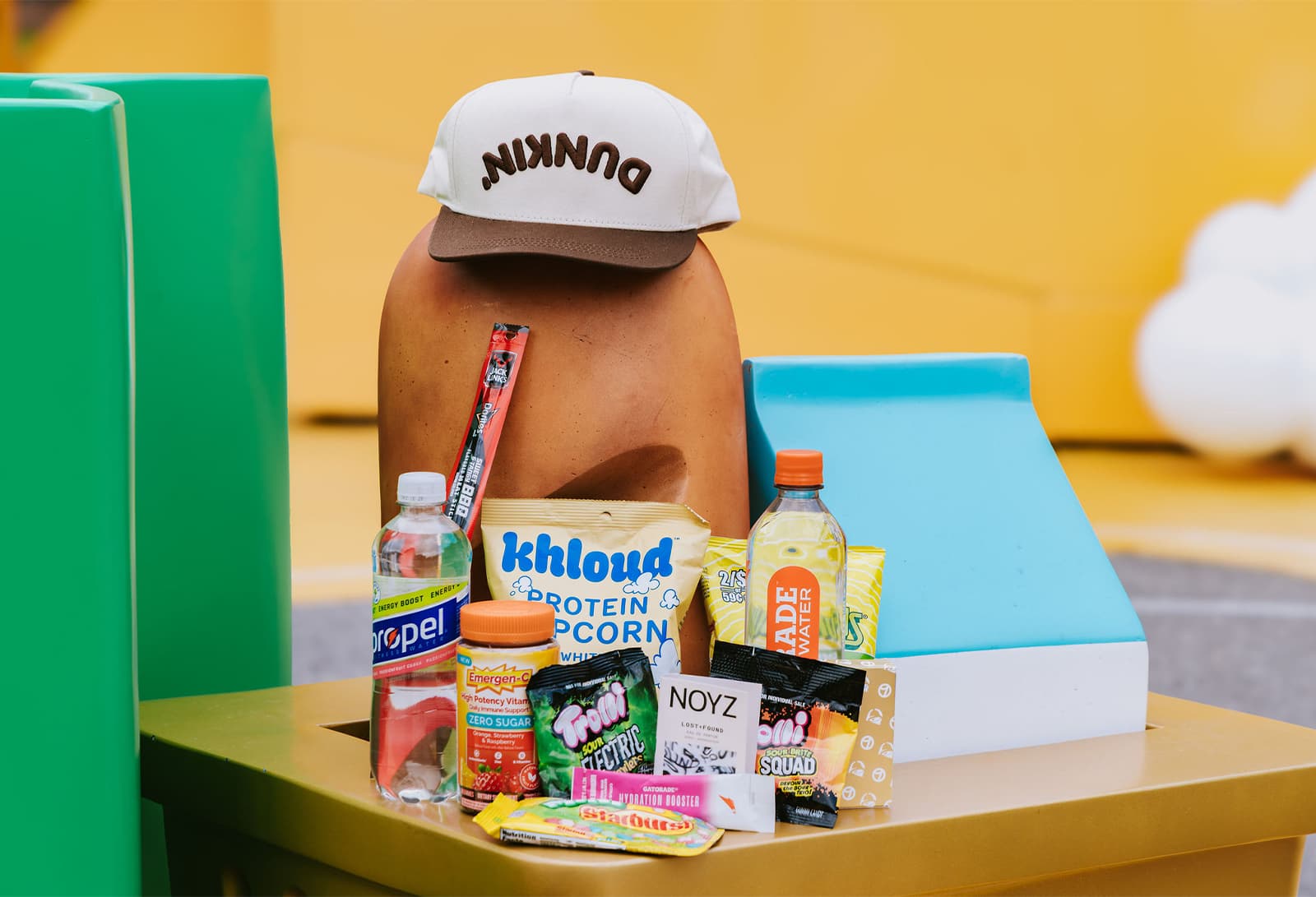
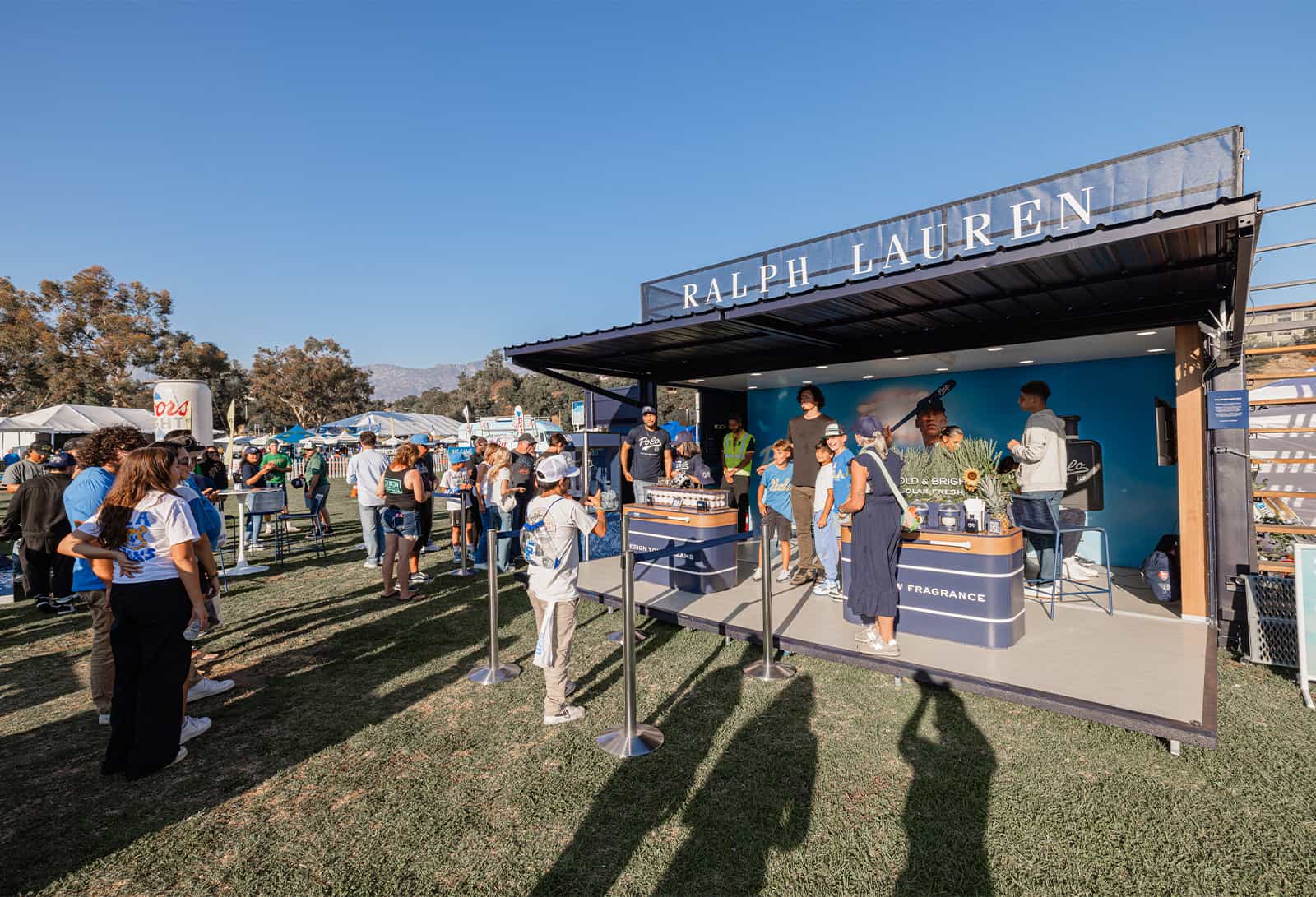
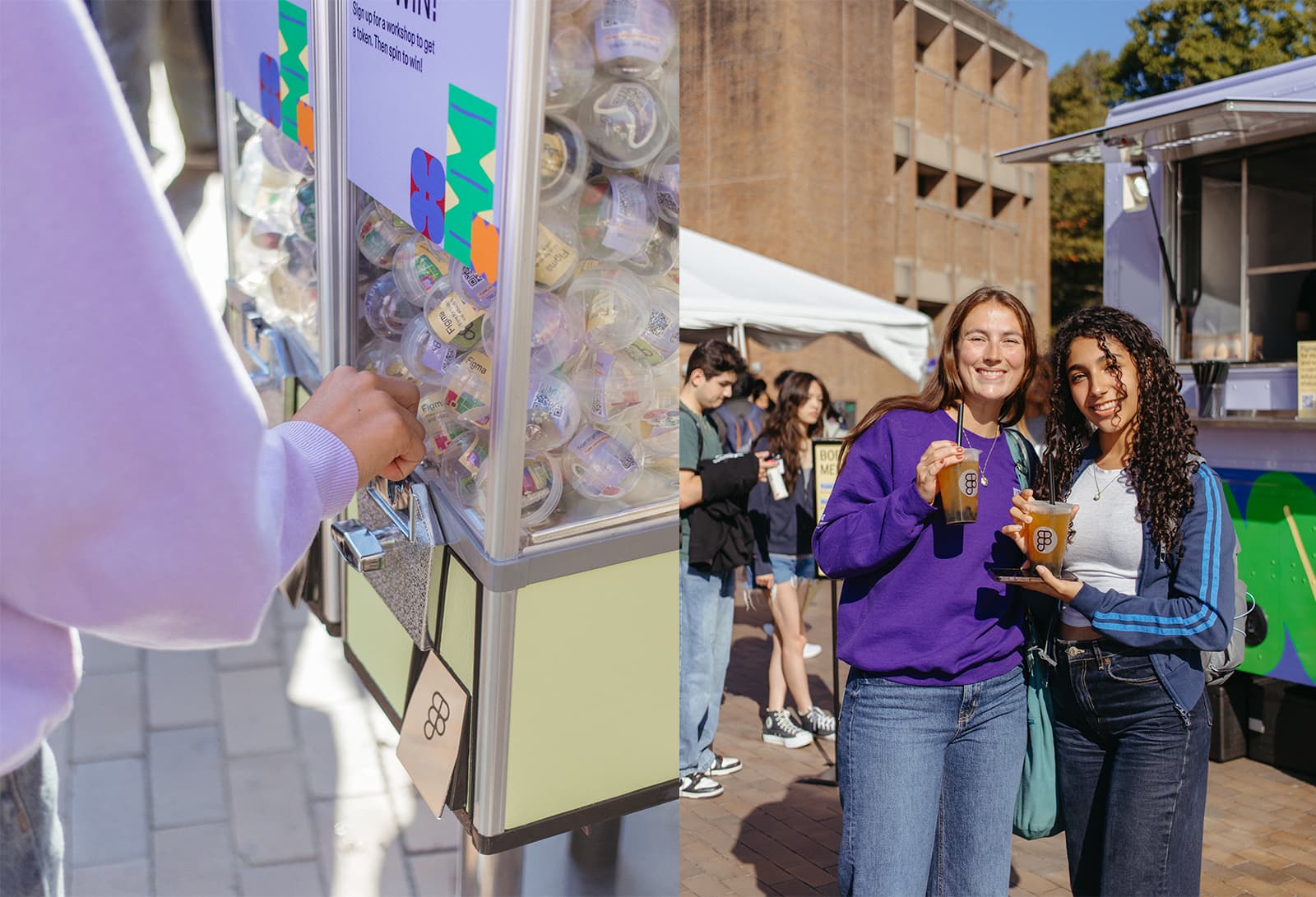
During these periods, CNC has hosted events such as “The One Arcade” from Uber One, a mobile back-to-school pop-up arcade that visited 15 campuses across the country and featured custom-built games and sponsors like Taco Bell, Dunkin’, and Sephora. “Instead of just random sampling, it’s important to plug into those peaks,” Ryan Glick, CEO of CNC Agency, told BeautyMatter.
Hanger Western echoed this, advising brands to focus on hyperlocal, chapter-level activations that align with sorority values like sisterhood, empowerment, and self-care. This has led to increasingly embedded executions:
The shift is from interruption to integration.
Another major evolution is the rise of sorority members as structured creator networks. What begins as a casual “get ready with me” during rush week can evolve into:
Hanger Western notes that as brands formalize these partnerships, they must rethink ROI. “Brands should look beyond short-term metrics like impressions and conversions, and view these partnerships as investments in long-term brand equity and community loyalty.”
Success is measured through:
Bubble reinforces this approach, tracking creator emergence, ambassador growth, and retail performance near campuses. The implication is clear: Sororities are not just distribution channels; they are talent incubators.
The scale of opportunity is driving institutional change. CNC’s College division reflects a broader shift toward formalized campus marketing infrastructure, spanning more than 40 universities. Its model integrates:
“A sorority isn’t just a group of students who can receive products,” Glick explains. “It’s a high-trust network with internal tastemakers.” That framing is key. Sororities are being redefined as cultural nodes, places where trends are not just adopted but created and amplified.
With increased investment comes increased scrutiny. Sororities are deeply values-driven communities, and brands that approach them in a transactional way risk backlash or disengagement. Hanger Western emphasizes the importance of aligning with community values over consumption. “Anchoring marketing in sisterhood, empowerment, and self-care rather than purely product is critical to success.”
This requires:
Bubble’s approach reflects this philosophy: consistent engagement, ambassador empowerment, and integration into existing routines rather than disruption.
The rise of sorority marketing reflects a deeper shift in beauty. From audience-based marketing to community-based marketing, Gen Z is:
Sororities offer what digital platforms increasingly struggle to deliver: trust, consistency, repetition, and identity formation. They are, in effect, online social networks with built-in credibility.
As brands double down, rush season is becoming a key date in the beauty industry calendar. Spring has become the planning window. It’s when ambassador networks are built, activations are secured, and strategies are designed to integrate seamlessly into campus life by the time students return. As the new college year approaches, the industry can expect to see more rush-week sponsorships, deeper in-house integrations, expanded chapter-level creator partnerships, and fully developed ecosystems.
Today, winning a sorority isn't just about reaching a few hundred students. It’s about embedding a brand into a system that shapes daily routines, drives peer-to-peer influence, builds long-term loyalty, and turns consumers into creators. For beauty brands, it ends with something far more powerful: a community that doesn't just try products; it validates them, amplifies them, and makes them stick.