First it was the tennis craze. Then came the pickleball fad. Now golf is officially the sport of the summer. And brands have Gen Z, or at least younger women, to thank for that, as they're ditching their bev-cart girl status at the country club and picking up irons and wedges themselves. Google searches for golf aesthetics are up 630% from last year, while golf skincare and golf makeup are up 2,300% and 1,600% respectively from the year prior.
Since 2020, golf has added more than 3 million on-course beginners every single year in the US. Total participation hit 48.1 million in 2025, up 55% from a decade prior, with 18-to-34-year-olds now one of the sport's largest age segments. 8.1 million of those players identify as female.
For brands, the opportunity extends beyond the sport's aesthetics. Golf events are becoming more about the lifestyle than the sport itself; they’re major platforms where wellness, skincare, and even makeup brands are engaging with both their consumers and athletes alike, especially when it comes to promoting care during and after outdoor activities.
“The growth can likely be credited to a shift in consumer behavior at large. People today are more focused on health, longevity, performance, recovery, and overall well-being than ever before,” Alan Fish, PGA Tour Senior Vice President of Business Development and Corporate Partnerships, told BeautyMatter. “As a result, brands in these categories are looking for environments where those values are naturally aligned.”
The skincare and wellness industries’ interest in golf begins with the conditions of the sport itself. With rounds lasting up to five hours per day, this means players are subjected to sun, wind, and other environmental aggressors.
Naturally, sunscreens, lip balms, and post-sun care are synonymous with the before, after, and during care of the golf game. With athletes already carrying these products in their golf bags, it creates natural exposure for brand names.
Sunscreen brand Supergoop! embraced that opportunity when it became the PGA Tour's official sunscreen partner through 2030. The partnership also includes 13-time champion Justin Rose as a brand ambassador creating digital and social content that showcases how Supergoop! products fit into his on-course routine.
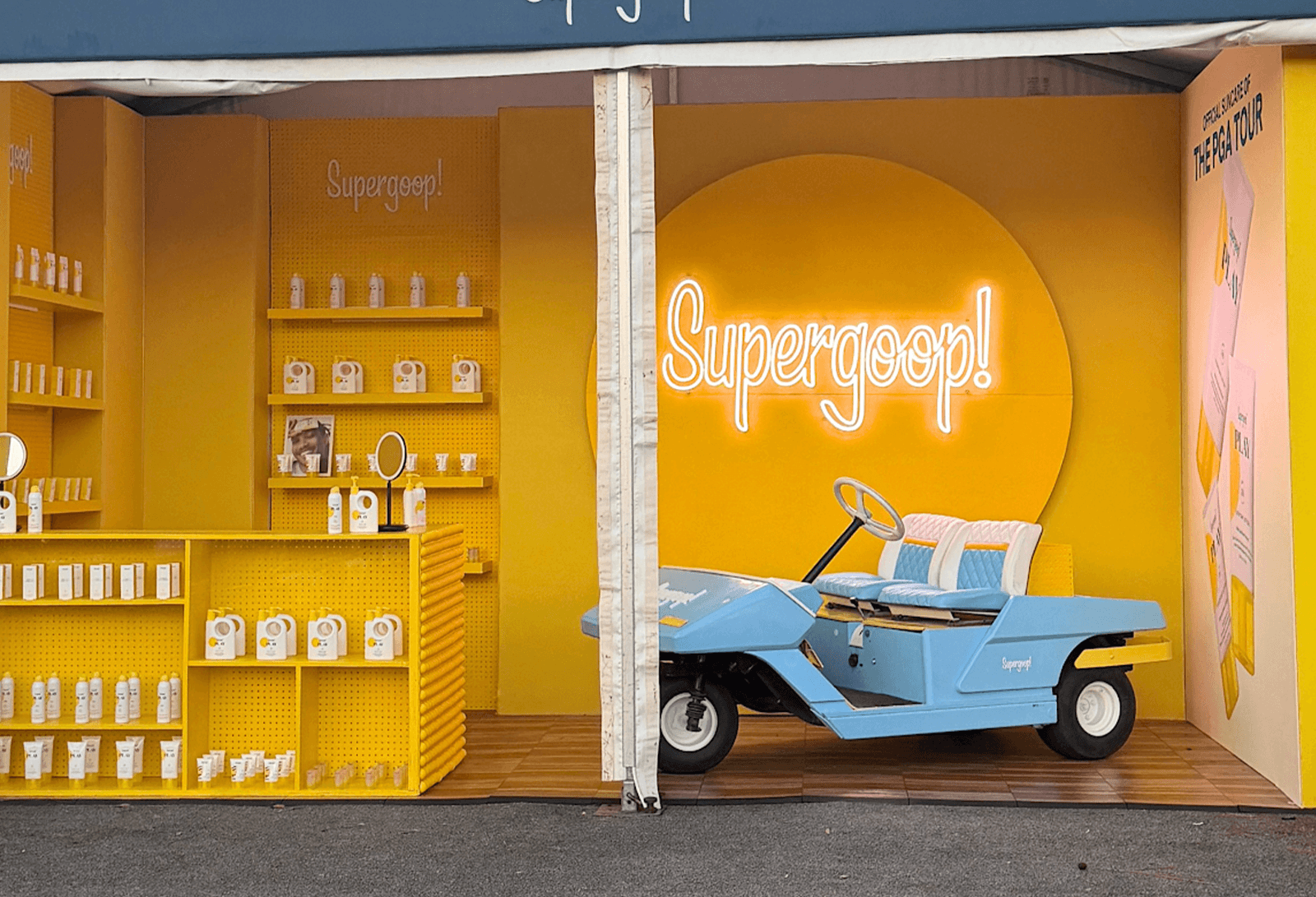
Supergoop! built this partnership around product discovery. The brand has activated across PGA Tour tournaments with product experiences at TPC Network Properties and PGA Tour Tournament Fan Shops, with its fourth activation taking place at the Tour Championship in August.
"We're helping make SPF part of their ritual both on and off the course," Lauren Weinberg, Chief Marketing Officer of Supergoop!, said to BeautyMatter. "We want Supergoop! to feel like an essential part of the experience—whether you're attending a tournament, playing 18 holes with friends, or heading to the driving range after work. If reapplying SPF becomes as routine as grabbing your glove or teeing up your ball, we'll know we've succeeded."
That philosophy comes to life through Supergoop!'s Reapplication Station, a pop-up experience that has become a focal point of the partnership. Weinberg says it "solves a real consumer need" by giving fans the opportunity to discover the brand while encouraging SPF reapplication during long tournament days, reinforcing the idea that sun protection is as essential to golf as any other piece of equipment.
For the PGA Tour, the partnership reflects how sports sponsorships have evolved beyond traditional logo placement. According to Fish, "the best partnerships are those where the sponsor becomes integrated into our sport in a meaningful, authentic fashion. It is one that simultaneously creates value for the brand, engages the fan, and supports the growth of the game. The PGA Tour attracts a highly engaged, influential, and increasingly diverse fan base, so we look for brands that can add value to that audience in a credible way."
While the PGA Tour gives Supergoop! credibility and scale, the broader golf ecosystem gives the brand authenticity. Beyond the Tour, Supergoop! partnered with Michelle Wie, host of the LPGA Mizuho Americas Open, as well as WAGs (wives and girlfriends) of PGA Tour players, to showcase how sunscreen fits into their everyday routines. Together, these partnerships position Supergoop! not just as a tournament sponsor, but as a brand embedded in golf culture.
But Supergoop! isn't the first beauty brand to recognize golf's potential. K-beauty has been active in the sport for years, both domestically and abroad. Until 2020, Korean cosmeceutical brand Leaders Cosmetics served as the LPGA's Official Cosmetics Partner, supplying UV skincare, sheet masks, and sunscreen to players and fans. More recently, wellness brand Monclos became a sponsor of the 2026 KPGA Tour Hana Bank Invitational in South Korea, providing participants with its Bespoke Shampoo Set and PDRN Moisture Sun Cream, further underscoring the growing role of beauty and sun protection in the sport.
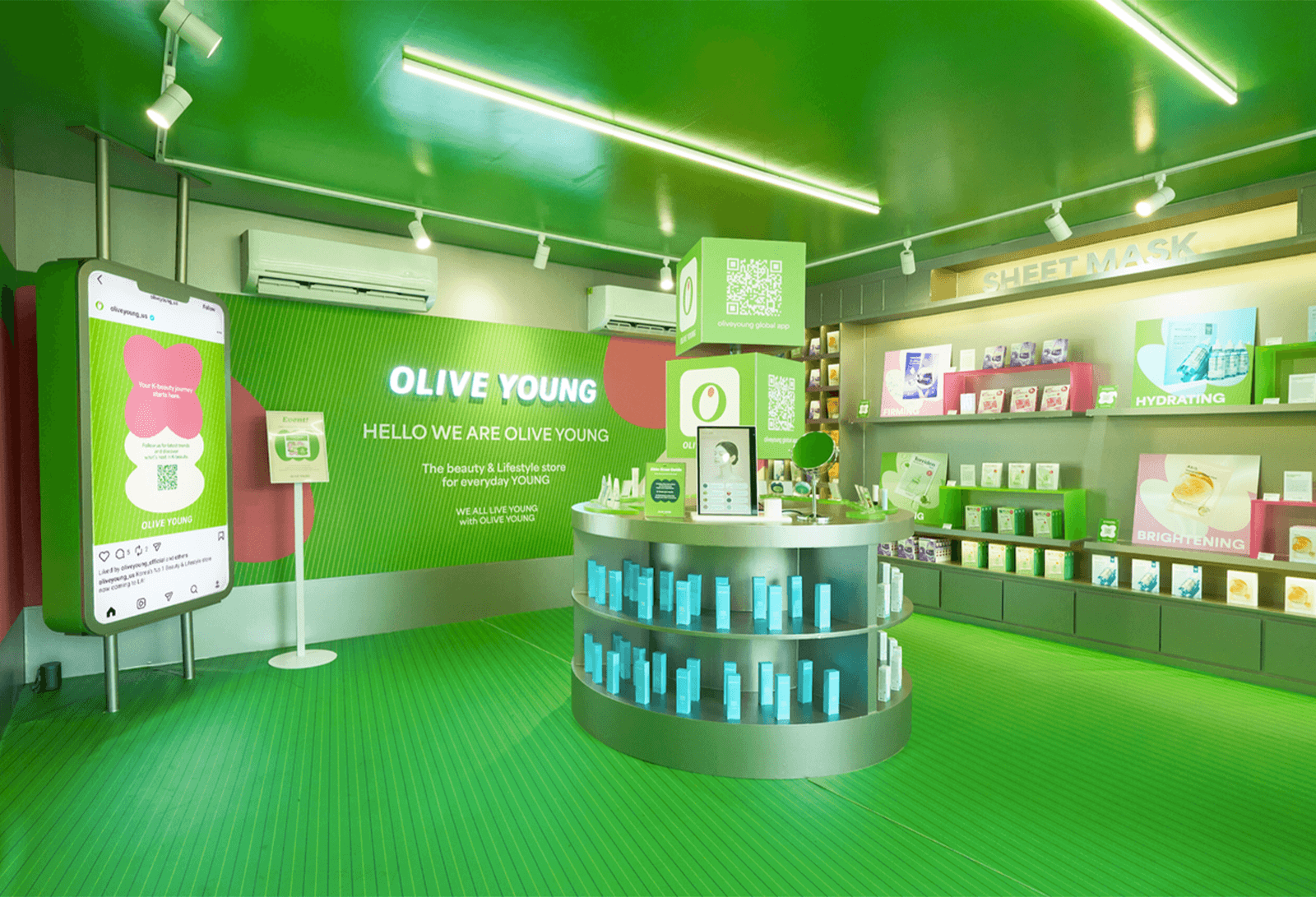
Olive Young, South Korea's leading health and beauty retailer, returned to the sport at the CJ Cup this past May for the second consecutive year with dedicated K-beauty zones as part of the "House of CJ" experience. Its immersive pop-up store introduced attendees to emerging Korean beauty brands alongside sun care and sheet masks. There’s a clear sun protection theme going on here.
“The CJ Cup is a unique platform because it brings together world-class golf with the broader appeal of Korean culture,” Rena Kim, Global Communications Lead at CJ Olive Young, said to BeautyMatter. “Rather than viewing golf simply as a sports marketing opportunity, we saw the CJ Cup as a place where people could experience healthy beauty in an authentic, lifestyle-driven setting. That aligns well with Olive Young’s role as a discovery platform for healthy beauty and K-beauty innovation.”
But while sunscreen and skincare products seem to organically fit into the sport, there’s still white space where brands are finding ways to make golf more appealing to newcomers.
Beauty is beginning to tap into golf's cultural boom through collaborations, athlete-founded brands, and community-driven marketing campaigns.
Tarte Cosmetics is one of the first major beauty brands to lean into that shift, partnering with Masterpiece Golf this past spring for the first-ever beauty and golf apparel collaboration. The collection, titled The Vintage Muse, was designed as a tribute to women golfers, featuring statement hoodies, a branded silk scarf, custom golf balls, and limited-edition packaging of the brand's hero products, all in Tarte’s signature purple hue.
Brands like Masterpiece Golf, alongside women’s golf apparel brand Fore All, fashion label Sporty & Rich, and lifestyle brand Flag & Bow, which also hosts annual invitationals for mid-amateur women golfers, have helped transform golf into a style-centered sport, making it feel more approachable for younger consumers and paving the way for beauty to enter the conversation, especially for newcomer brands.
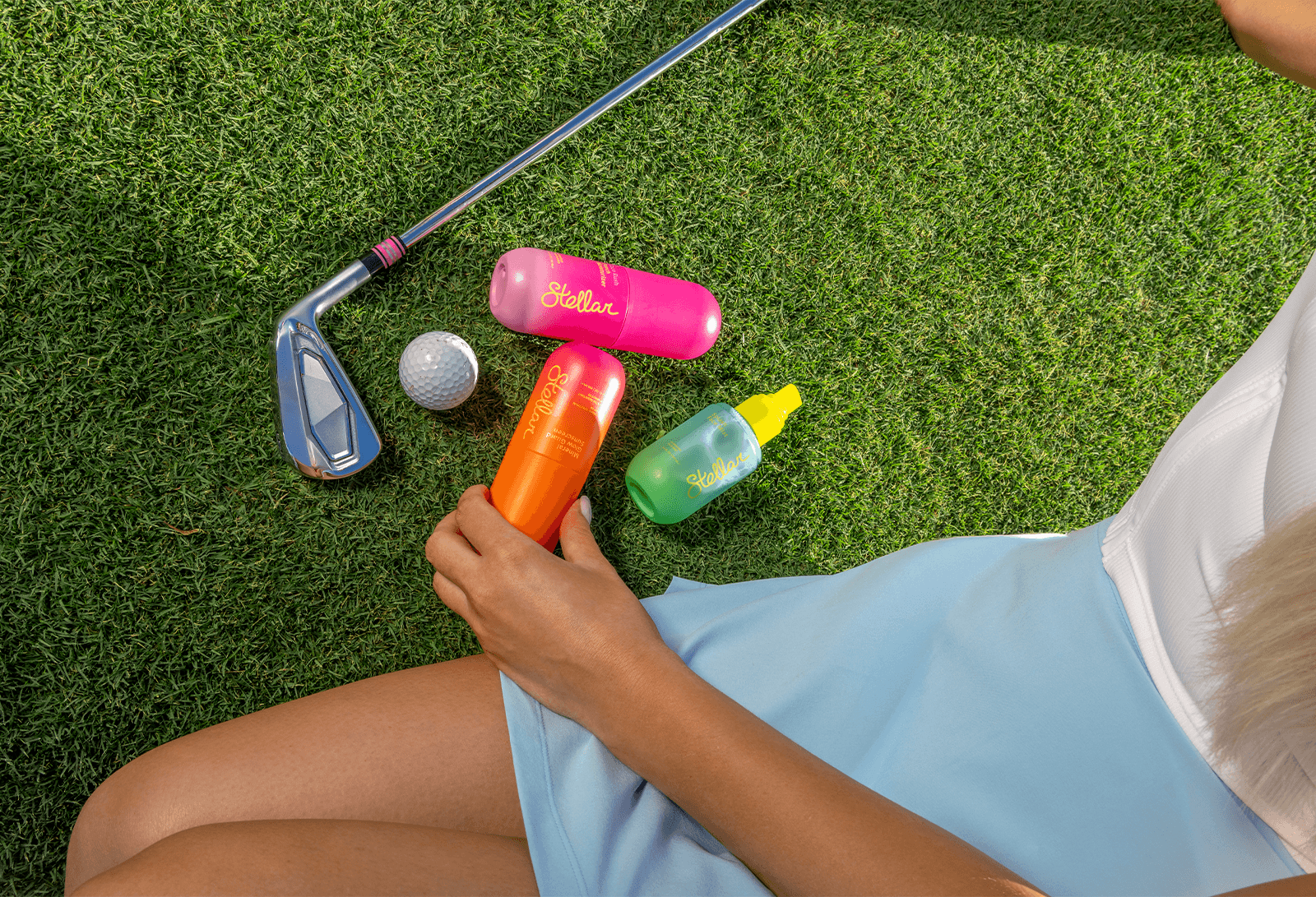
Golf athletes are also building their own collections in the fashion, beauty, and wellness space. Professional golfer and Olympian Lexi Thompson launched Lexi Skin, a skincare brand designed for people who spend several hours a day outdoors. The line focuses on anti-aging support, hydration, and sun protection. Similarly, Stellar Beauty, founded by 12-year-old national-level golfer and beauty entrepreneur Stella Dorazio, was designed with younger girls and active lifestyles in mind. The brand encourages healthy skincare habits through approachable, colorful packaging and products that support long days outdoors.
Even at this year's PGA Buying Summit, brands spanning apparel, accessories, wellness, and emerging beauty showcased products designed for a new generation of golfers, underscoring that the sport is increasingly being viewed as a wellness retail category.
Much of golf’s popularity isn't being built on the course, but rather on social media. Scroll through TikTok or Instagram, and it's clear golf has become as much of an aesthetic as it is a sport. Outfit-of-the-day videos, "what's in my golf bag" tours, tournament get-ready-with-mes, and country club wellness content are trending, with creators helping redefine what a golfer looks like online.
Model and former professional golfer Paige Spiranac (4 million Instagram followers) regularly shares the makeup and skincare products she relies on during long days on the course, while LPGA player and content creator Lily Muni He (2 million Instagram followers) partnered with brands including Shiseido and Dermalogica, blending professional golf with beauty education. Golfer Grace Charis leans even further into the aesthetic, mixing golf content with fashion, haircare, and skincare routines for her over 8 million combined followers.
Beauty brands aren't simply chasing influencer reach; they're investing in consumers who increasingly see golf as part of a broader evolution, where the sport is becoming “more inclusive, more social, and increasingly connected to wellness, travel, and creator culture,” according to Weinberg.
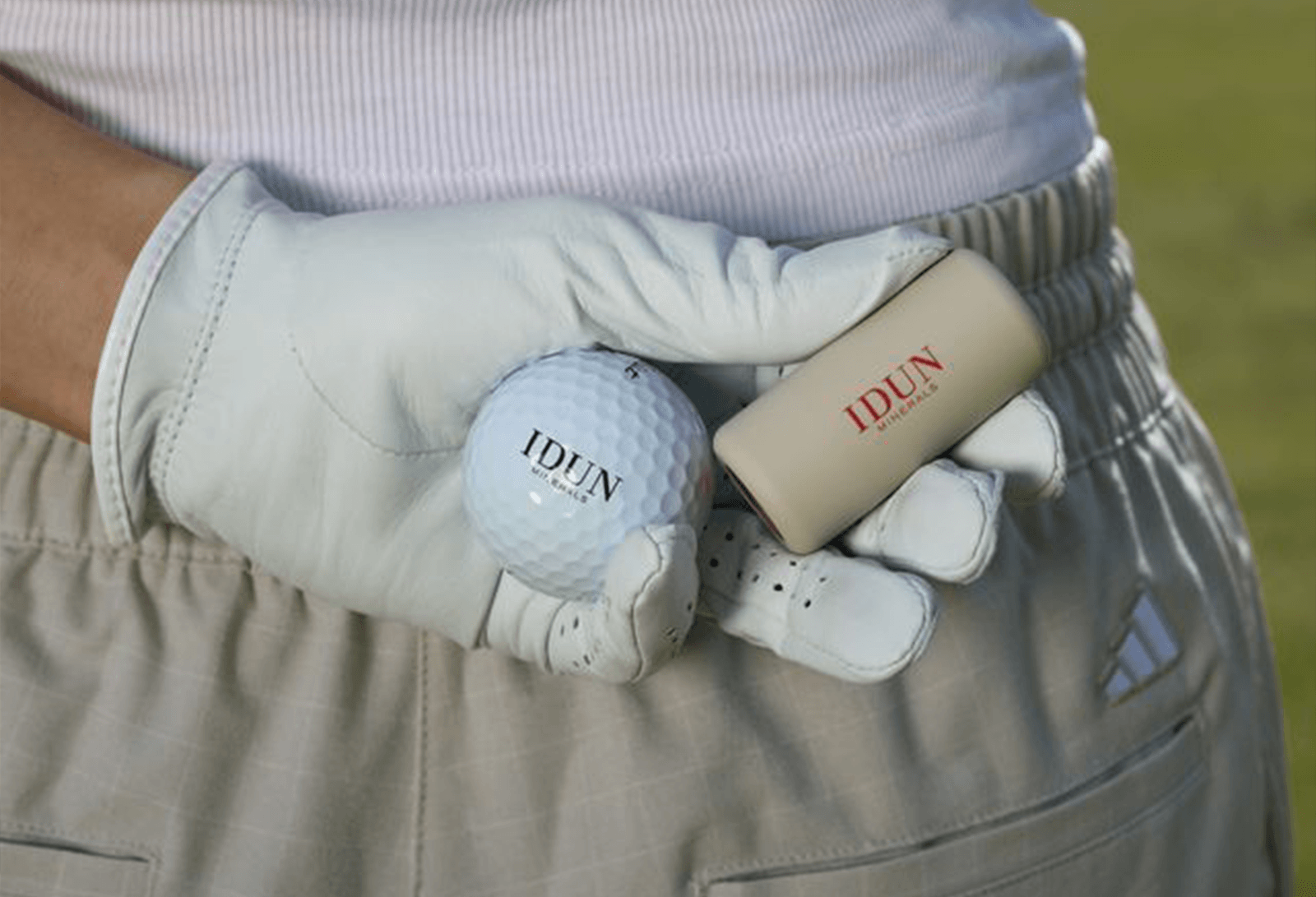
That strategy is reflected in IDUN Minerals' "Beauty Meets Golf" campaign with Swedish professional golfer Linn Grant and influencer Gertrude Tornvall. Rather than relying on sponsored posts, IDUN Minerals has built an experiential campaign. Golf coaching masterclasses led by Grant are paired with beauty sessions and product education, while intimate luncheons bring together women interested in both golf and wellness. The result is a campaign that treats beauty not as a separate category, but as part of the golf experience itself.
"Golf is one of the few sports where business networking, female communities, and personal well-being often come together," Caroline Thunstedt, CEO of IDUN Minerals, told BeautyMatter. "We want guests to experience golf in a relaxed, inspiring, and accessible way while also discovering our products and philosophy."
For Thunstedt, today's female golfer is increasingly style-conscious and experience-driven, making beauty a natural extension of the game rather than an afterthought. As golf continues attracting younger audiences through creator culture, it's brands like IDUN Minerals that are recognizing consumers who aren't just buying products, but rather buying into the lifestyle surrounding the sport.
If golf's first beauty partnerships were driven by function, today's collaborations are increasingly fueled by culture. And for this new generation of players and fans, skincare and wellness is part of the experience.