As discount-driven competition intensifies in China’s beauty market, Xia Ding, Managing Director of Sephora Greater China, shares how the retailer is using curation, professional expertise, and in-person experiences to strengthen its role in beauty discovery and build lasting consumer relationships.
During China’s extended Double 11 shopping season, beauty brands competed for consumers through weeks of discounts and promotions. The increasingly prolonged shopping season raises familiar questions about consumer fatigue and how brands can build loyalty beyond price.
Meanwhile, physical retail is offering another way to engage consumers. Chinese fragrance brands such as Documents and To Summer have invested in distinctive retail spaces, while events including Notes Shanghai and BeautyShanghai are attracting audiences interested in discovering brands and products in person.
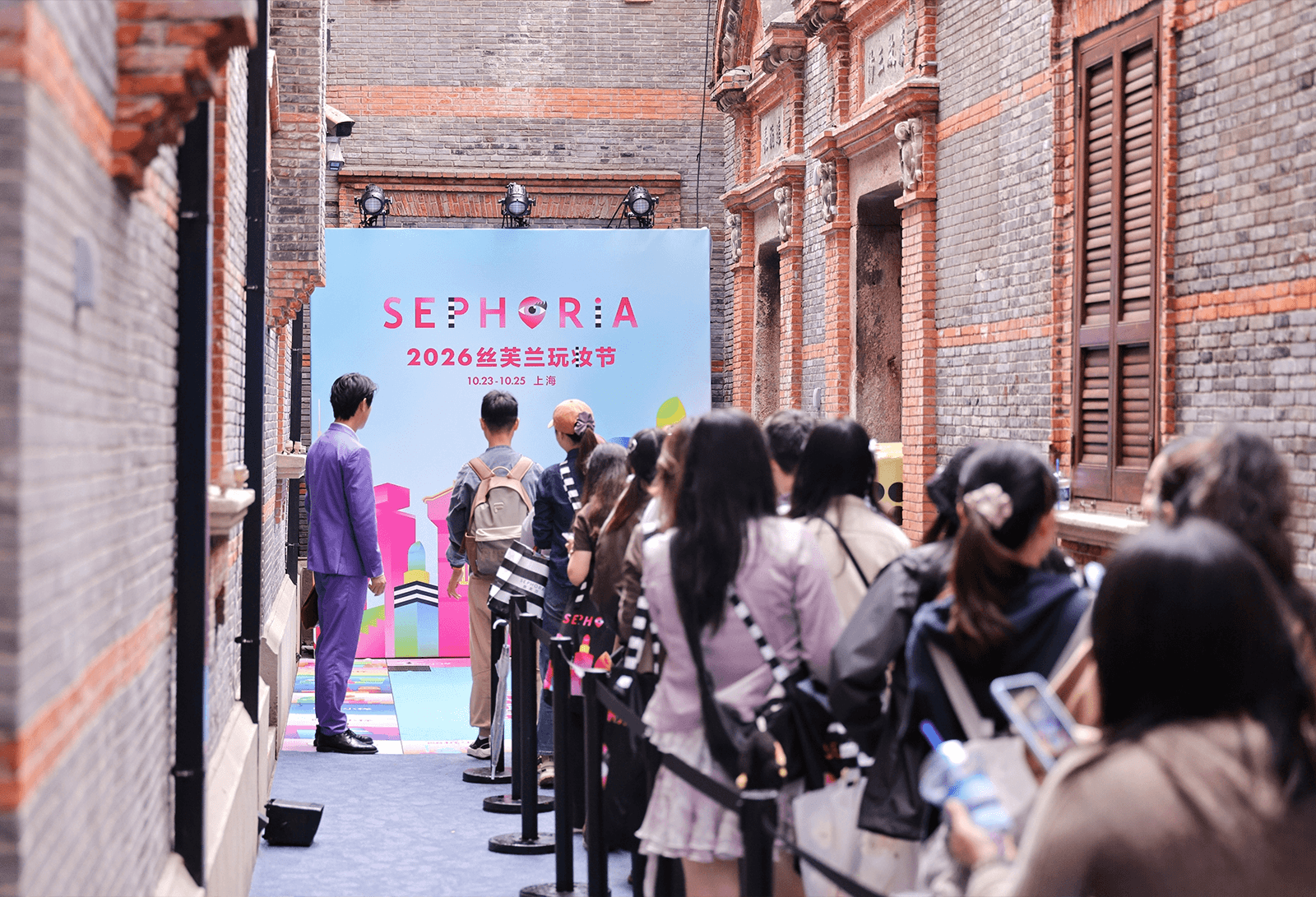
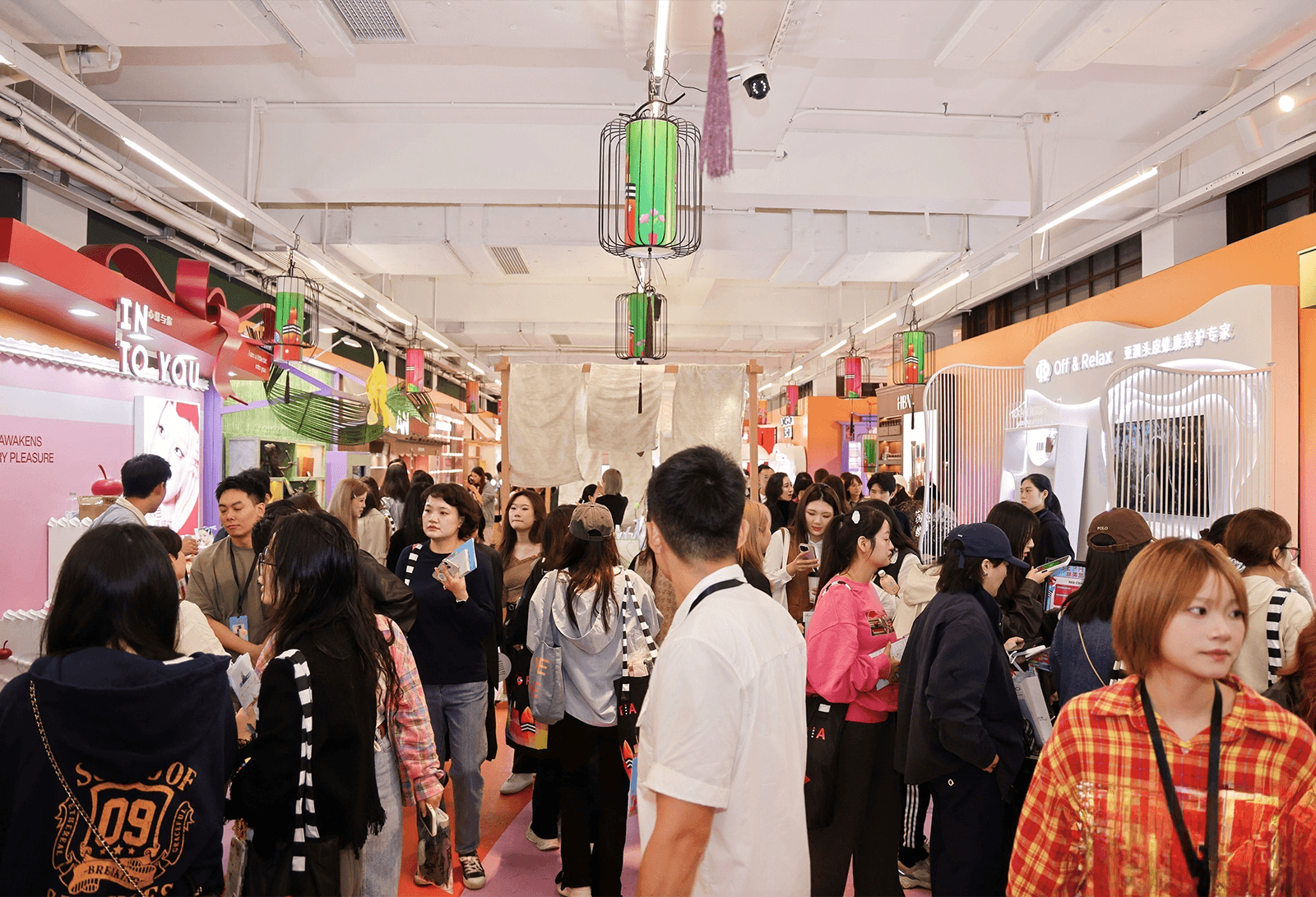
Sephora China is also deepening its emphasis on experience-led discovery. From October 23 to 25, the retailer transformed Shanghai’s historic Zhangyuan District into an immersive beauty destination for Sephoria, its annual global beauty event. Under the theme Beauty Metropolis, more than 60 brands participated in a three-day program of product discovery, masterclasses, and interactive experiences.
“We want consumers to be happy when they buy beauty products. We want them to have fun while they shop,” Ding told BeautyMatter.
In an interview during Sephoria Shanghai, Ding discussed how the retailer is adapting to increasingly knowledgeable and selective consumers, the changing role of beauty curation, and why she believes professional expertise and the enjoyment of discovery remain important to Sephora’s value proposition.
“Consumers are coming into our stores with some understanding of ingredients and their own opinions, and we’re very happy to see that,” Ding said. “But with so much information out there, they can still feel confused. Today they’re told one ingredient is good; tomorrow it’s another.”
As consumers become more knowledgeable about ingredients, formulations, and product performance, Ding believes retailers play an important role in helping them navigate conflicting claims and identify products that suit their individual needs.
“We can help them make that final decision and reduce the cost of trial and error,” she explained. Asked whether increasingly rational and selective consumers might be less receptive to Sephora’s emphasis on play, Ding disagreed. “I don’t see a conflict,” she said.
In her view, professional guidance makes experimentation more rewarding by helping consumers understand why a product works, how it can be used, and whether it suits their needs.
Ding also sees limitations in algorithm-driven recommendations. Online platforms tend to reinforce existing preferences: someone who regularly searches for red lipstick, for example, may continue seeing similar products. An in-store conversation, however, might introduce an unexpected shade or technique that the consumer would not otherwise have considered.
“As a beauty retailer, we are a bridge between brands and consumers,” Ding said, adding that consumers are often willing to try unfamiliar brands because Sephora has already undertaken the initial selection process for them.
Sephora combines that curatorial expertise with consumer insights gathered through its own digital ecosystem. Ding highlighted the retailer’s community of more than five million members in China, whose purchasing data and in-store interactions help inform product selection and personalized recommendations.


When Consumers Stop Shopping by Brand Positioning
According to Sephora, consumer data also reveals changes in how Chinese shoppers evaluate beauty products. Ding has noticed a decline in stockpiling behavior, with consumers increasingly purchasing products when they need them rather than buying ahead.
Traditional boundaries between prestige and more accessible brands are also becoming less relevant. A consumer might purchase a Dior fragrance and then choose an inexpensive makeup product, evaluating each on its individual merits beyond price. “Brands are always talking about positioning. But consumers aren’t shopping by positioning,” Ding said. “They buy whatever suits them.”
This more fluid approach to beauty consumption is reflected in Sephora’s expanding assortment of Chinese brands. The retailer has introduced brands including Joocyee, Passional Lover, Florasis, Perfect Diary, and Grain Rain. As of now, Sephora's portfolio includes a total of 44 Chinese beauty brands.
“Not all Chinese brands, but more and more of them have strong R&D capabilities, a good understanding of consumers, the ability to respond quickly, and strong brand-building capabilities,” Ding said. “They’re not inferior to many major international brands.”
She also pointed to their competitive value and ability to establish cultural and emotional connections with Chinese consumers. For brands that combine these qualities with strong product development and an understanding of consumer needs, Ding sees no reason to exclude them from Sephora’s assortment. “Why wouldn’t we sell them?” she asked.
At the same time, she emphasized Sephora’s responsibility to select brands with lasting potential. “If these brands are just a flash in the pan, we wouldn’t work with them, because we have a responsibility to consumers,” she said.
Ding also described how Sephora’s relationship with brands can extend beyond traditional merchandise selection. By analyzing consumer behavior across brands and price points, the retailer can identify unmet product needs and share those insights with potential development partners.
“Sometimes we see a trend, but no brand is meeting that need,” she explained.
One example involved a lightly tinted face powder that Sephora believed could appeal to Chinese and other Asian consumers but major international brands had not adequately addressed. The retailer discussed the opportunity with a Chinese beauty company whose R&D capabilities could help fill that gap.
Although Ding believes brands must first establish a strong domestic business, she also hopes Sephora can help successful Chinese brands reach international consumers through its global network. “If you can’t sell well in China, how are you going to sell overseas?” she asked.
Beyond product selection, Sephora is extending its emphasis on discovery into the experiences it creates for consumers. “We’ve always wanted to build a community,” Ding said.
At Sephoria Shanghai, Sephora invited longtime Gold Card members from different Chinese cities, some of whom had maintained their relationships with the retailer for nearly two decades. For Ding, bringing these consumers together offered a sense of belonging that is difficult to replicate online.
The challenge is extending that engagement beyond a three-day live activation. “An event is a single point,” Ding explained. “How do you connect that point to something broader? That’s something we’ve been thinking about.”
One example is Wanzhuang Li (玩妆里), an immersive beauty experience introduced in May 2026 at Sephora’s Xiangyang flagship store on Shanghai’s West Nanjing Road. Inspired by the city’s traditional alleyway culture, the space features rotating brand collaborations and interactive activities, with participating brands changing every one to two months. “Upstairs, consumers can play. Downstairs, they can shop,” Ding said.
Sephora is considering introducing similar experiences in other Chinese cities, while incorporating interactive activities into seasonal campaigns and digital membership channels. The emphasis on discovery also extends to how Sephora introduces new brands.
In October, the retailer launched Kayali exclusively in China across more than 300 stores and its digital channels. Founder Mona Kattan subsequently appeared at Sephoria Shanghai, introducing consumers to fragrance layering and encouraging them to experiment with different scent combinations. “I learned that you can layer different scents depending on your mood,” Ding said, recalling Kattan’s masterclass.
Ding has also observed changes in how Chinese consumers use fragrance. “Fragrance used to be mainly for gifting. Now more people are buying it for themselves,” she said, noting growing interest in men’s fragrance and scented products extending into bodycare, haircare, and other categories.
As these categories increasingly overlap, Ding sees opportunities for retailers to help consumers discover not only new products but also different ways to use them. Sephora recognizes consumers' desire for emotional connection and enjoyment, and Wanzhuangli is one way to bring that experience into retail. She described how consumers might discover an unfamiliar product or technique during a store visit, even when they have not finished using the products they already own.
“Is it absolutely necessary? Not necessarily,” she said. “Have they used up everything they already have? Not really. But they come here, enjoy themselves—and isn’t that when they buy?”
Her comments reflect a broader shift in beauty consumption: Even as consumers become more knowledgeable and deliberate in their purchases, the appeal of discovery and experimentation remains.
For Sephora, combining product curation, professional expertise, and engaging retail experiences is one way to respond to those evolving expectations. But in China’s increasingly promotion-driven beauty market, the bigger question is whether this approach can translate into sustained consumer loyalty and sales.