





Key Takeaways:
Where a brand is from is distinct from its sense of place. A brand can be headquartered and manufactured anywhere, sold everywhere, but it won’t have the cultural gravitas and intimacy of a brand built on its sense of place.
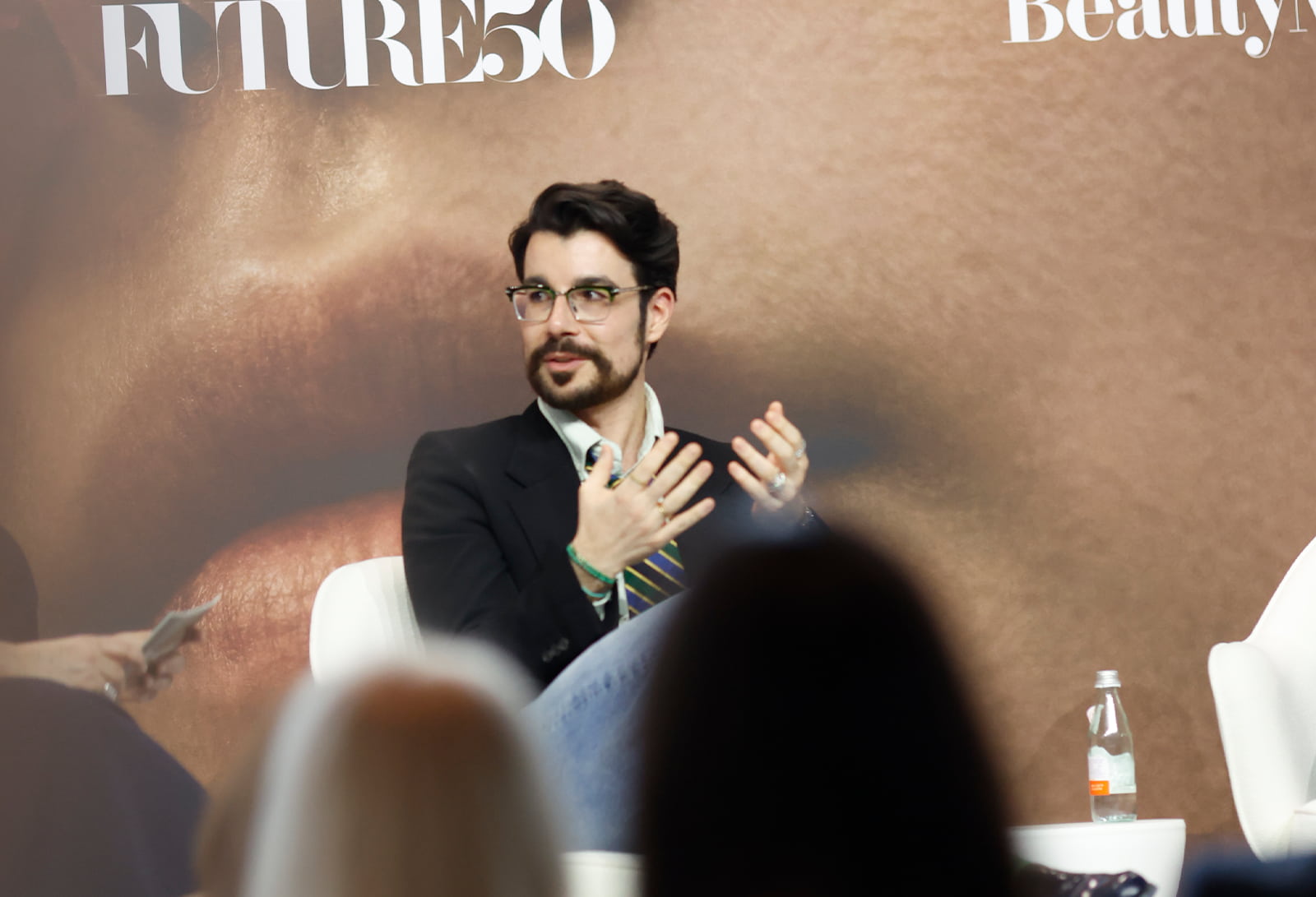
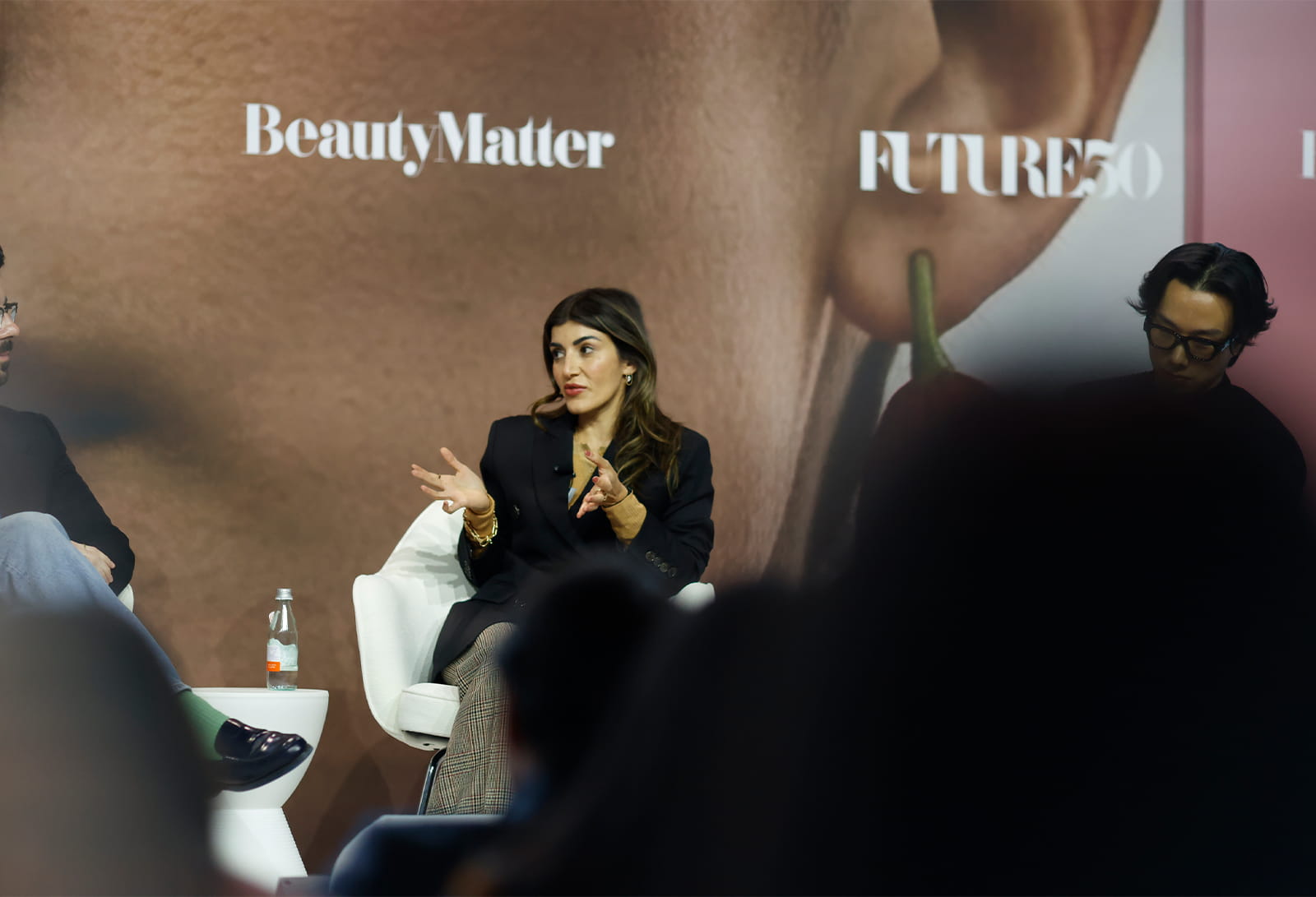
At BeautyMatter’s FUTURE50 Summit in March, co-founder and CEO Kelly Kovack introduced her panelists, who not only hail from three of the most dynamic markets (Saudi Arabia, South Korea, and Mexico) but whose brands are centered around that magical sense of place: Sara Alrashed, founder of Asteri; Jun Lim, founder and Creative Director of Borntostandout; and Rémi Martini, co-founder and CEO of Sarelly.
Kovack kicked off the panel by acknowledging her awe of each of their brands and how they were created with such intention. “Building a brand really is an act of intention where every detail tells a story; the products, the spaces, the narratives deliver a level of personal expression.”
Sisterhood Under the Stars
Every detail of Alrashed’s cosmetics brand, Asteri, tells the story of Saudi Arabian life. Translated as “star” in Greek, Alrashed created her brand’s ethos, “Sisters Under the Stars,” to represent the Saudi Arabian women's community. “But it's all about how the nomads used to navigate in the desert and get their direction from the stars,” she said.
Alrashed explained how she inserted the culture and nuance of Arab women into every intricacy of her brand. From the boutiques and ingredients to the packaging and branding, Asteri is not only inspired by Arab women but also made for them. Designed to withstand the hottest, driest climates, Alrashed said her products are meant to be long-lasting yet gentle on the skin.
Alrashed not only represents Saudi Arabia but, as a female entrepreneur, she signifies change in a rapidly evolving land. “Women have become more and more modern [in Saudi Arabia], Alrashed said. “So we wanted to build a brand they could be proud of, and be part of the sisterhood of Asteri.”
Alrashed explained that in Saudi Arabia, women do everything together as a group, and that she really wanted to tap into that culture with Asteri. “Even in our stores, you can see it. We have a lounge where people can come and chill. We serve them water and coffee, and they can just come and hang out. It's part of the culture in our region.” The Asteri stores also offer free services and makeup rooms where women can do their own makeup. “I think the Arab woman is the most important thing in our universe.”
The modern Arab consumer is very savvy and trendy, said Alrashed, which means Asteri must be intentional in every communication. “When we bring a new product to the region, we want to be informative about it, speak the local language, because Riyadh is not Dubai.”
A Tale of Two Tensions
While Asteri celebrates every aspect of Saudi Arabian women, South Korean fragrance brand Borntostandout is in open rebellion against its homeland. Lim built his brand on duality, positioning his brand as an artistic perfumery from Korea. Lim pointed out that Borntostandout never mentions that they are from Korea. “We just happen to come from Korea,” Lim said.
According to Lim, the duality of his brand mirrors modern Korea: “Provocation against tradition, and individuality against conformity.” These two dueling tensions are also evident in the brand’s classic white porcelain vessels, Lim explained, because the product name is inked in deep crimson red. “In my childhood, my mother used to say, ‘If you write somebody's name in red, it means you want the person to die.’ It’s not meant for shock value. It reflects my message to Koreans that we respect the heritage, but at the same time, let's not imprison ourselves in it.”
The notion of originality is the foundation of Borntostandout, according to Lim. “It's just simply a series of choices that go against industry norms, or what I call industry autopilots.” In an oversaturated fragrance industry, Lim said the first question he asks his perfumers is, “Do we really need this perfume?”—and if the answer is no, they don’t make it.
And, according to Lim, the fragrance name needs to be something that makes a person tick or think. “The goal is pretty simple. It's to make someone laugh, pause, or do a double take, because in fragrance, that reaction is incredibly powerful, because it starts a conversation. And this is what niche perfumery is about.”
When it comes to appealing to Korean consumers, Lim explained that while Koreans are willing to try anything once, they are among the most discerning, educated consumers in the world. “They are extremely open-minded at the point of entry. They're genuinely excited about discovering new things. That's the part that everybody sees, and that's where dreams start. But between trial and trust is what leads to a purchase decision.” Lim calls this in-between place “the canyon where brands go to die,” because Korean consumers are also the most ruthless evaluators in terms of value, quality, and cultural relevance, according to Lim. “So, if you did not earn their trust in that window, you are done.”
Love Story
Martini’s makeup brand, Sarelly, tells a different story than Asteri and Borntostandout. Instead of building a brand rooted in the founder’s homeland, Frenchman Martini created Sarelly from his 12-year-long love affair with Mexico. “I fell in love with everything in Mexico: the food, the people, the culture. I even married a Mexican!” Martini also met his co-founder, Anna Sarelly, in Mexico, and the two joined forces with the purpose of bringing the magic of Mexico to the world because “Mexico brought so much to me,” he said.
Martini sees the brand as the intersection of performance, culture, and community. “We have one conviction. We don't adapt beauty for Latinas; we start from Latin as beauty and engineer performance from there.” Martini pointed to the brand’s best-selling Long Cow Lashes mascara, which was created and named specifically for Latinas. “As the abuelas [grandmothers] would say, Latinas have cow lashes.”
Martini does not see Mexican culture as just a layer of Sarelly. “It's almost like our operating system. If we create a product from the Latin identity, we create our narrative from the Latin culture.” Martini also pointed to the digitally native young Mexican generation. “They are highly on social [media], so they know the global brands,” but according to Martini, sometimes global brands come, but they don't adapt their voice to the market.
Retail as Culture
Martini said that, despite his investors worrying the brand would “waste all their money in retail,” he sees retail not just as a place to sell, but as a place where you actually create culture. Sarelly’s in-store pop-ups serve as a cultural driver and content engine for the brand, infusing fun into immersive experiences, such as stores styled as taquerias or bodegas. “What we see is that people come to the store, they can find the product almost everywhere, starting with TikTok Shop. But they come to the store, and they make content, they engage with us.”
In the Middle East, retail is still very important, Alrashed said. “People enjoy going to shops, people love going to the mall. And from brands like ours, we make something sensorial. We try to create an experience in our stores that's different from everyone else's, whether it's the colors we use, the music, or, a different experience when we're opening.” Alrashed pointed to the brand’s hydration ritual stations during Ramadan. “You go and do a hydration ritual while you're fasting, a cream and a serum, et cetera.”
Lim said that retail can be complicated for his brand because of the high price point of niche fragrance. “Building a cohesive brand universe to persuade consumers one by one, and not rushing to build a brand, is a key to becoming one of the big forces. Ironically, it's about taking time. You need to take your time to have more fans, because if you are rushing, you're going to die fast.”
Though these three founders are from different parts of the world, their sense of place remains a pillar of their brands, defining who they are and why their products are so popular with consumers. Authenticity and culture are synonymous and are what build longevity in independent brands.