For years, brands have expanded the definition of beauty. Skincare became wellness. Wellness became longevity. Brands moved into supplements, hospitality, recovery, and sexual wellness, blurring the boundaries between adjacent categories in pursuit of new consumers and new occasions.
Now, another category emerges.
For decades, dog grooming has largely been confined to supermarkets, veterinary clinics, and specialty pet retailers. What was once a strictly functional category is beginning to look, smell, and feel like luxury beauty.
Pet care is shedding its kennel-club roots in favor of a wellness category built around skin health, preventative care, and premium formulations. A recent YouGov survey found that 52% of British pet owners consider their pets to be family members to the same degree as human relatives. In comparison, a further 39% say pets are family, albeit to a lesser extent.
For the beauty industry, this trend represents more than another adjacent category. It reflects how consumer expectations around efficacy, transparency, and science are expanding beyond personal care. In turn, this is creating new opportunities for brands capable of translating their expertise while respecting the biological differences between humans and animals.
Fresh meals arrive by subscription. Supplements are tailored to breed and age. Preventative care is becoming the norm rather than the exception. It is a shift reflected in consumer behavior: 79% of pet owners say they are willing to spend more on proactive care to avoid higher veterinary bills. In comparison, 85% believe nutrition and supplements are just as important for their pets as they are for themselves.
According to pet care brand Welltayl co-founder Ana Prodanovich, the opportunity exists because the category has historically failed to solve one of pets' biggest health concerns. "Skin issues are the #1 reason dogs go to the vet, and the category had no answer for it."
Traditional dog shampoos were designed decades ago when animals spent most of their time outdoors, and washing focused primarily on removing dirt and excess oil. Today's pampered pooches spend most of their lives indoors, where low-humidity heating and air conditioning, frequent bathing, and exposure to household allergens can contribute to dry skin and dull coats.
At the same time, consumers have become significantly more educated through their own beauty routines.
"The customer starts with their own skin," Prodanovich told BeautyMatter. "They're deeply invested in it now, often because they've worked through eczema or sensitivity themselves and know what a barrier-supporting routine actually does."
That knowledge is now influencing decisions for dog owners. Rather than accepting irritation, itching, or dry skin as unavoidable, dog owners are increasingly looking for microbiome-supporting, barrier-friendly formulations similar to those they purchase for themselves.
As birth rates decline across many developed markets, consumers are spending more on companion animals, fueling demand for increasingly sophisticated grooming products.UK consumers spent more on their pets than ever before in 2025, signaling that pet owners continue to trade up.
"Dogs have always been family," Shahneli Mejika, Brand Storytelling Specialist at pet care company Earth Rated, said to BeautyMatter. "What's changed is that people are finally willing to spend like it." That shift is changing consumer behavior across every touchpoint.
"Dog parents read our wipe ingredient lists the same way they read their own skincare labels," Mejika said. "That kind of scrutiny used to be reserved for human products. Now it's just the baseline."
Brands can no longer rely on ingredient transparency as a differentiator; it is rapidly becoming the minimum standard for competing in the premium pet care market. British online grocery platform Ocado found that two-thirds (66%) of dog owners say they are more conscious about the ingredients in their dog's food than they were a year ago, while a similar number check ingredient lists before purchasing.
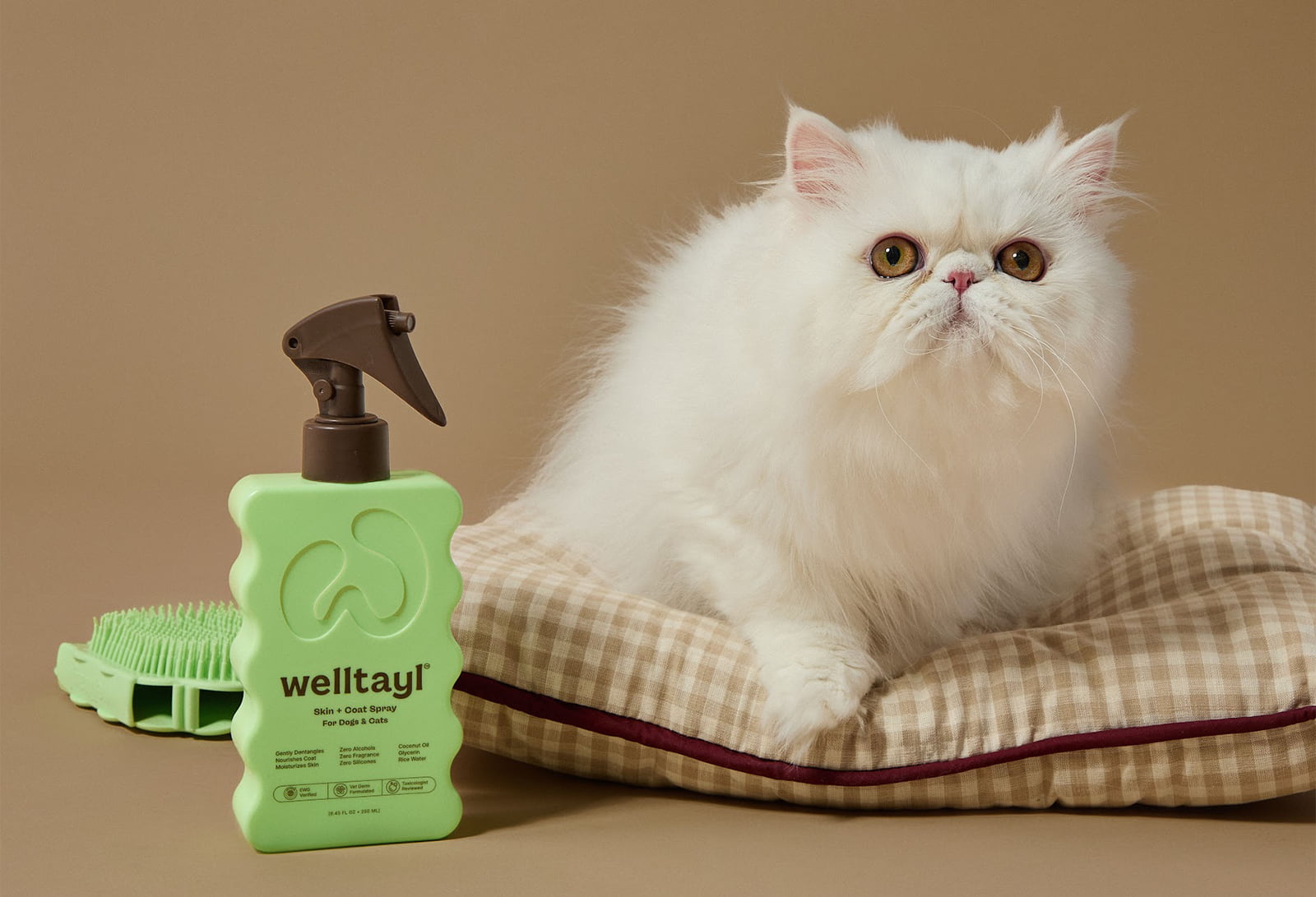
While beauty has provided much of the language surrounding skinification, people see their pets as extensions of themselves in ways the biology doesn't support, according to Prodanovich. Dogs have skin that differs significantly from human skin, including a more neutral pH, a much thinner epidermis, and different barrier function. Premium positioning doesn't guarantee a product is appropriate if it's formulated using human skincare assumptions.
"You see it in the 'human-grade' language that's everywhere right now," she said. "Human grade is a human benchmark. It tells you something is good enough for us. It tells you nothing about whether it's right for a dog."
Unlike skincare for humans, which is backed by decades of research, pet cosmetics remain comparatively under-researched. "Most brands entering from a beauty lens are still optimizing for scent and shine, which are human preferences, not pet ones," said Prodanovich. "The literature on pet cosmetics is thin. When a brand tells me an ingredient is good for dogs, my honest question is: Based on what?"
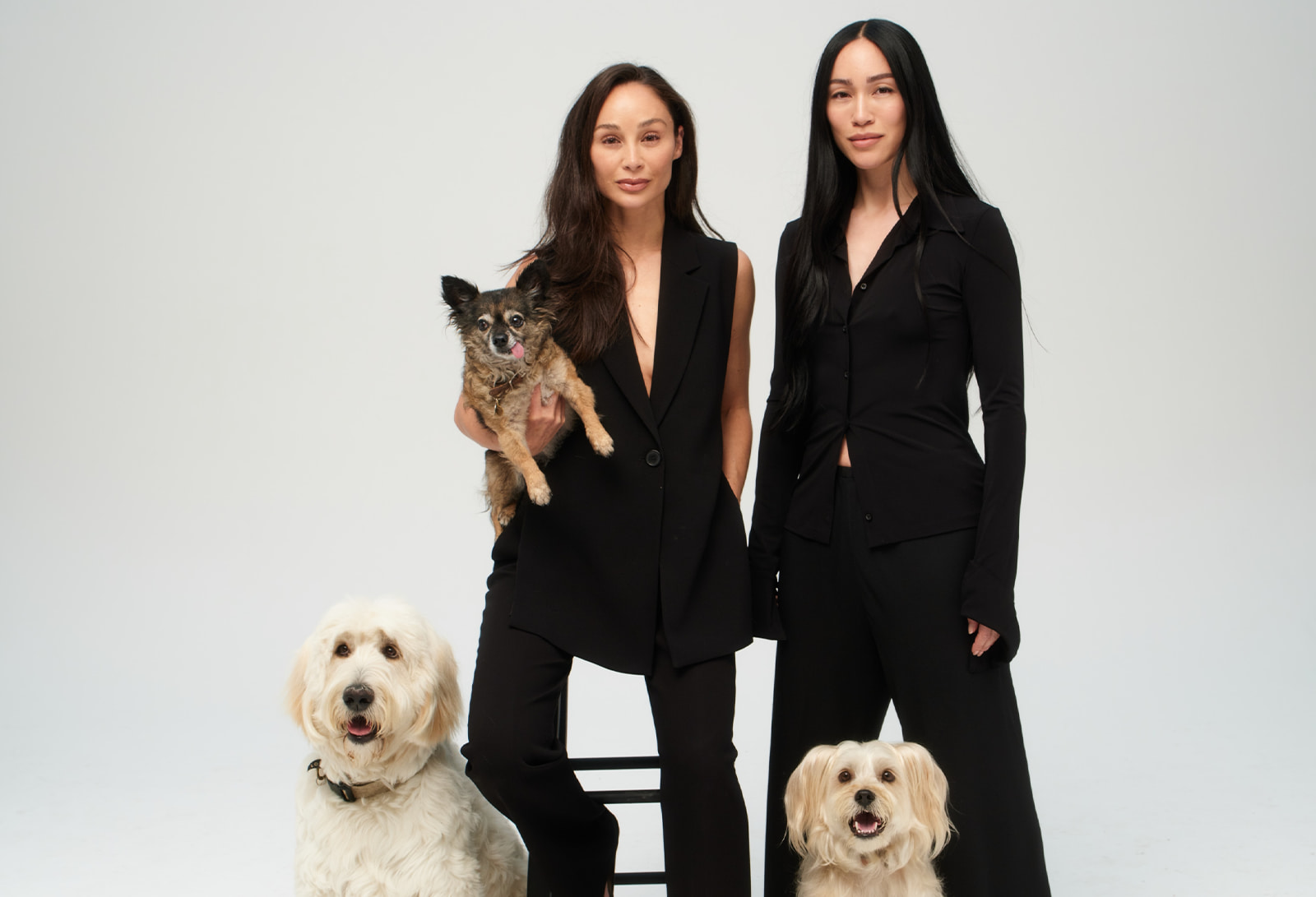
As prestige beauty retailers increasingly experiment with pet categories, they are validating pet wellness as a natural extension of the broader beauty and wellness ecosystem rather than simply another grocery purchase. Lil Luv Dog's recent launch into luxury beauty retailer Violet Grey reflects that shift. Rather than competing at traditional pet retailers, the brand is positioning itself alongside prestige beauty, targeting consumers where they already shop for their own personal care.
"We believe this is a companion category," Lil Luv Dog co-founder and influencer Cara Santana Leto said to BeautyMatter. "Where you're buying your shampoo, your dry shampoo, and your makeup wipes, you want to be able to pick up the things for your dog too."
Dog owners can also pick up a bottle of $95 Dolce and Gabbana Fefe Dog Fragrance Mist from Harrods or a bottle of Kiehl's Cuddly-Coat Grooming Rinse from Bloomingdale's.
For Earth Rated, however, long-term success will depend less on luxury positioning than consumer trust. "We think the next five years belong to brands that build real trust with dog parents, not just great packaging," Mejika said. "Prestige beauty retailers moving into pet care is a good thing if it means raising the bar across the board. But the biggest opportunity is still in the everyday."
That emphasis on repeat purchasing mirrors the broader evolution of the beauty industry. Categories built around daily routines, whether skincare, supplements, or scalp care, typically generate stronger lifetime customer value than occasional purchases. Dog grooming appears to be following the same trajectory, shifting from a reactive, impulse purchase that ends up sitting on a shelf to a preventative wellness ritual integrated into consumers' pets' everyday routines.
For Lil Luv Dog, the premium pet care opportunity extends well beyond grooming. Santana Leto believes dog care belongs alongside prestige beauty, not separate from it. "We want to be the first pet care brand in Sephora," she said. "We want to be everywhere you're shopping for your own beauty—whether that's Violet Grey, Cult Beauty, or Sephora."
While grooming is the brand's immediate focus, Santana Leto and co-founder Steph Suganami see opportunities across wellness, medicated treatments, diagnostics, and accessories, mirroring the category expansion that has transformed modern beauty over the past decade.
That vision aligns with Prodanovich's prediction that dog care will increasingly shift from reactive problem-solving towards preventive wellness, supported by veterinary science and evidence-based innovation.
For beauty companies, the opportunity is no longer simply translating skincare language into pet products. As premium dog care matures, competitive advantage will come from combining trusted brand building with species-specific formulation, scientific validation, and retail ecosystems that integrate pet care into consumers' wider beauty and wellness routines.