
Six months ago, “6-7” was everywhere. Now, apparently, it's “cringe.” For beauty brands trying to keep pace with Gen Alpha, that creates a problem: By the time a trend moves from TikTok to the product development pipeline, its cultural currency may have already expired.
Even BeautyMatter wasn't immune. Originally conceived as “The 6-7 Generation,” a panel at the 2026 NEXT50 Summit in Los Angeles had to be renamed before it reached the stage.
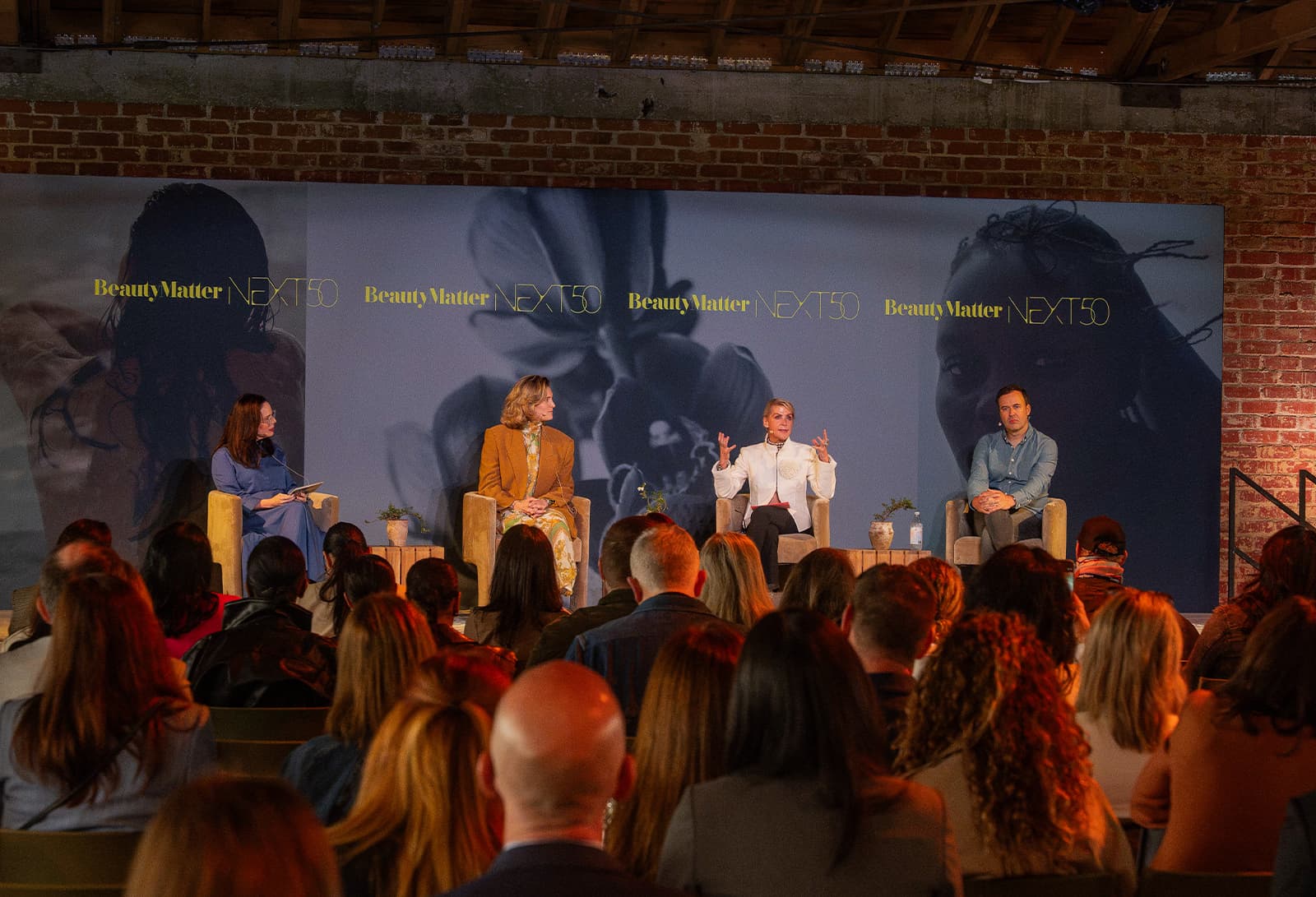
The resulting discussion, “The Aura Economy: Translating Gen Alpha Culture into Long-Term Brand Equity,” explored how brands can capture the attention of a generation that changes its mind almost as quickly as it changes its slang.
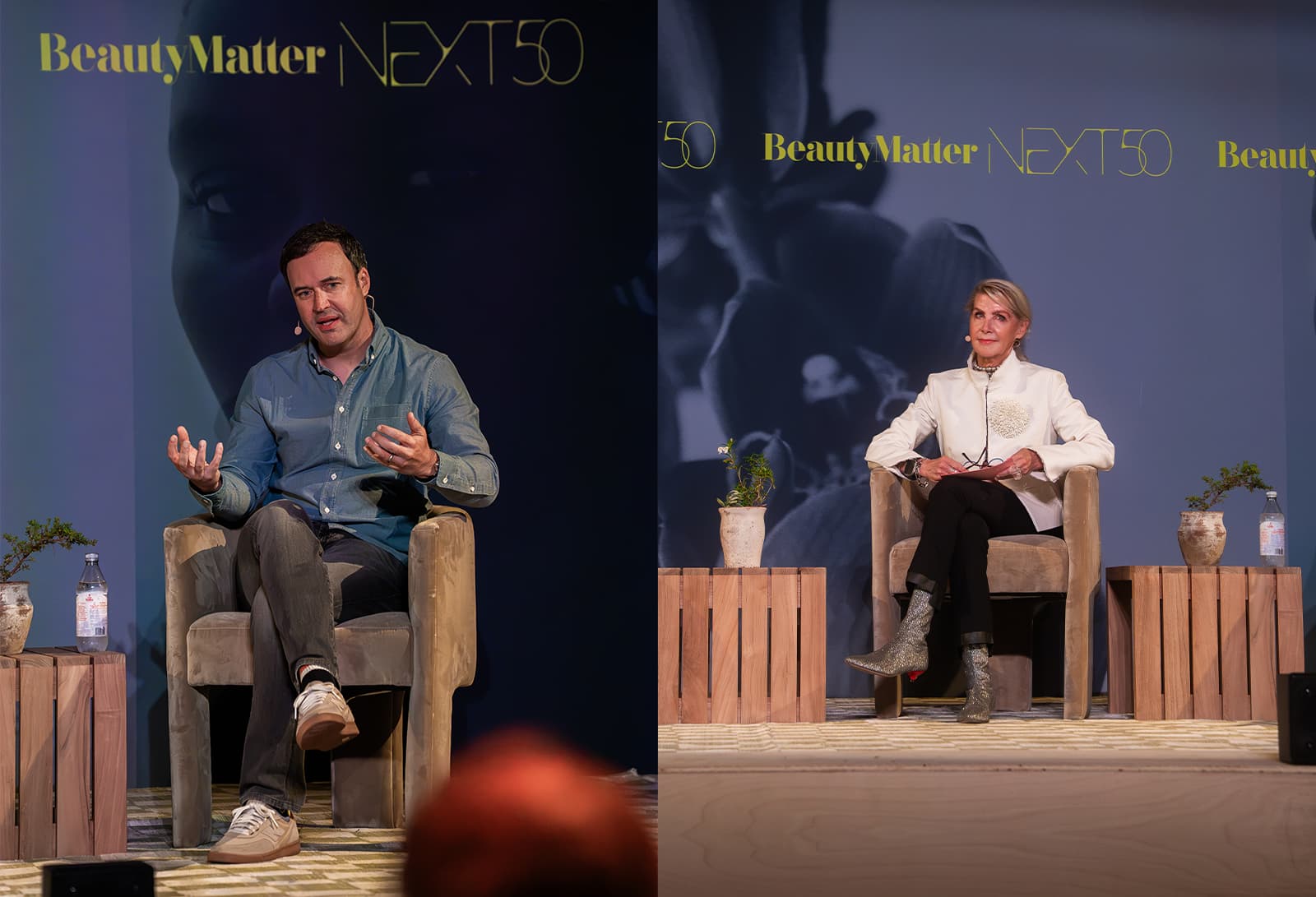
Moderated by BeautyMatter Editorial Director Janna Mandell, the panel brought together Lynn Casey, Cultural Futurist at Shine Scout, Inc.; Doug McCracken, Chief Marketing Officer at Coverstar; and Brett Andersen Minetti, Vice President of Business Operations and Strategy at Bubble Skincare.
Their collective advice? Stop trying to be cool and start understanding why Gen Alpha thinks something is cool in the first place.
Forget treating Gen Alpha as a younger version of Gen Z. According to Casey, the two generations have fundamentally different relationships with the world.
She described Gen Z, shaped by recession-era uncertainty and unrestricted social media, as the “Katniss generation,” referencing the survivalist heroine of The Hunger Games. Gen Alpha, meanwhile, spent its formative years in pandemic lockdowns, surrounded by family and experimenting with digital worlds like Roblox and Minecraft.
"Think of Gen Alpha as Dora the Explorer. The world isn't something to fix; it's something to experience," Casey explained.
That outlook matters especially in beauty. Rather than seeking products to correct perceived imperfections, younger consumers are attracted to experimentation, sensory experiences, and self-expression. Casey described the phenomenon as “haptic hunger,” a desire for tactile experiences that helps explain the popularity of squishy packaging, satisfying clicks, and ASMR content.
"There's a difference between fads and trends. Fads are reactions, right? A trend is something that's shifting underneath," she said. Her advice to brands navigating Gen Alpha's short-lived obsessions was simple: "Feed the hunger, not the hype."
If Gen Alpha likes a beauty product, it likely won't stay in its original packaging for long.
Mandell recalled her daughter bedazzling Bubble products so enthusiastically that one product could no longer be opened properly. McCracken's daughter, meanwhile, attached a Sonny Angel figurine to her lip gloss.
For Bubble, these modifications aren't unwelcome alterations; they're consumer insights. Andersen Minetti explained that the brand frequently recreates the DIY customizations its community shares online, including bedazzling its own packaging.
"We ask them, 'What are you doing with your products today?' And then we do that as well," she said.
Bubble's commitment to listening predates its launch, when founder Shai Eisenman consulted 600 teenagers about their skincare needs. Today, its social engagement team responds to content that tags the brand, using those interactions to inform its community strategy.
The approach has also influenced hiring. Bubble deliberately employs younger social staff who understand the generation's language without sounding like adults desperately trying to imitate it. As Andersen Minetti acknowledged, attempting to use that vocabulary herself would be, well, cringe.
For beauty businesses, customization represents more than a playful packaging opportunity. It allows products to become vehicles for self-expression, extending their relevance beyond their intended use.
Gen Alpha isn't content simply watching influencers. Increasingly, they want to become creators themselves, although that occasionally comes at their parents' expense. Mandell recalled discovering that her daughter had offered one of her $300 perfumes as a giveaway prize on Coverstar.
The anecdote captured the generation's enthusiasm for participation, something McCracken believes should fundamentally change how brands approach social platforms. More than half of Coverstar's users create content, McCracken said. Unlike conventional social networks, the platform also features a “scroll stopper” designed to discourage endless consumption and encourage creativity.
For brands, that means moving away from controlling every element of a campaign. "You essentially own the prompt, but the community owns the content," McCracken explained.
He highlighted Claire's ASMR challenge promoting its sensory shop, which generated thousands of participant videos. Some creators featured purchases from Claire's stores, while others used objects they already owned. The campaign awarded customized Caboodles to five winners and, according to McCracken, encouraged store visits.
The commercial lesson is that participation can extend a campaign's reach beyond the products featured in its original brief. However, McCracken cautioned against launching challenges before establishing an authentic presence. He argued that community engagement should precede campaign activation.
Winning Gen Alpha's attention is only half the battle. Someone still has to approve the purchase. For Bubble, that means balancing colorful packaging and playful marketing with formulation standards that reassure parents.
Andersen Minetti said Bubble formulates products with pediatric dermatologists, and most are safety-tested for ages eight and older. "Give the parents what they want, give the kids what they want, and let them run with it," she explained.
The approach also requires education, especially as younger beauty consumers increasingly encounter potentially harmful skincare trends online. For brands, appealing to children while maintaining parental confidence is becoming essential to building lasting relationships rather than driving short-term sales.
Ultimately, the panel's message was that Gen Alpha doesn't need another brand telling it what's cool. From Bubble's community-led product culture to Coverstar's creator-driven challenges, the strongest opportunities lie in allowing young consumers to shape their own experiences.
The brands that endure won't necessarily be those quickest to adopt the latest slang, launch the newest collectible, or recreate a viral trend. They'll be those willing to surrender some control, build trust, and distinguish passing fads from lasting behavioral shifts.
As McCracken concluded: "Don't talk at them. Start creating with them." For beauty brands hoping to keep their aura intact, that's probably a better strategy than trying to bring back “6-7.”


