Key Takeaways:
Ulta Beauty is no stranger to scale. With more than 1,300 stores, a powerful loyalty program, and millions of active members, the retailer has long been a dominant force in the beauty industry. However, with the launch of UB Marketplace, Ulta is pointing to a shift that details how it expands its assortment and how brands enter, test, and ultimately earn their place within its ecosystem.
Powered by enterprise marketplace platform Mirakl, UB Marketplace is an invite-only digital extension of Ulta’s existing e-commerce platform, offering brands access to its audience without the immediate constraints of brick-and-mortar retail. The experience is fully integrated into ulta.com and the Ulta Beauty app, with unified checkout, loyalty rewards on eligible purchases, and in-store returns. These features blur the line between traditional retail and marketplace commerce.
With access to more than 45 million Rewards members, a core cohort of highly engaged beauty shoppers, UB Marketplace offers participating brands immediate visibility that many indie players struggle to achieve alone. For beauty brands, the implications are significant. It introduces new competitive dynamics, new expectations around digital performance, and a new pathway to scale, one that sits between direct-to-consumer independence and the rigor of wholesale retail.
The Marketplace as a Strategic Middle Ground
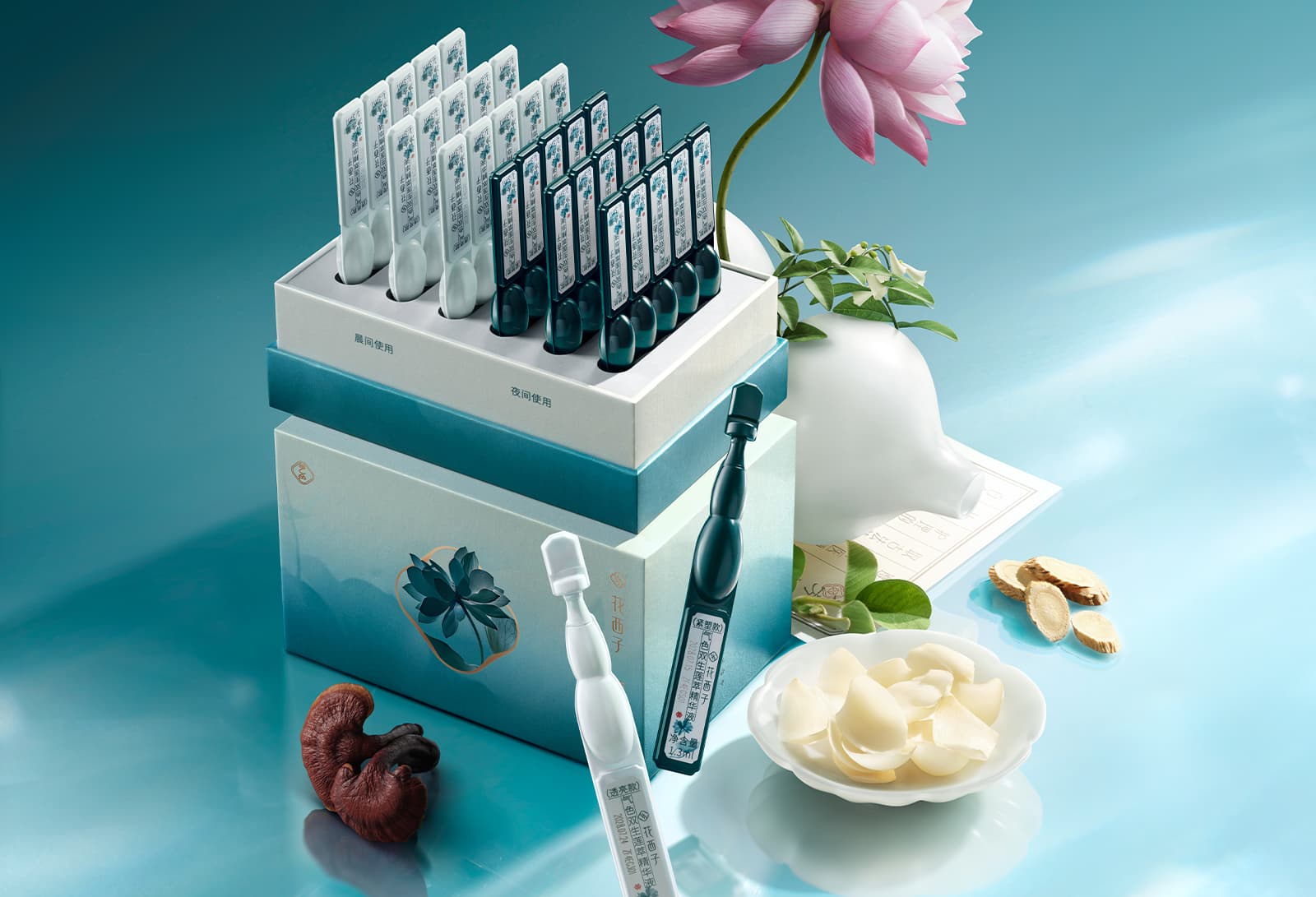
Beauty’s digital transformation is already here. Online sales have grown from 14% to 26% of total beauty sales over the past decade and are on track to exceed 30% by 2030, a trajectory that marketplace models like Ulta’s are uniquely positioned to capitalize on. Unlike open marketplaces such as Amazon, UB Marketplace is curated and invitation-only, a distinction that brands like Florasis say fundamentally changes its role. For the C-beauty brand known for its ornate packaging and heritage-driven storytelling, Ulta’s marketplace was less about immediate volume and more about market positioning.
“Ulta Beauty Marketplace represents an important credibility milestone for Florasis in the US market,” Gabby Chen, President of Global Markets at Florasis, told BeautyMatter. “Ulta is one of the most trusted and influential beauty retailers in the US, and its endorsement carries significant weight with American consumers.”
As a C-beauty brand, Florasis entered the platform with a focused assortment and a clear objective, and that is to establish mid-to-premium positioning within a trusted beauty-first environment. “For us, this launch was less about speed and more about entering the US through the right channel, with the right brand context,” Chen added. That emphasis on context—how and where a brand is discovered—underpins why UB Marketplace is attracting brands that are wary of commoditization on open platforms.
For digitally native brands, UB Marketplace offers something increasingly rare, and that is scale without total surrender of brand control. “UB Marketplace is a natural next step,” Abbott Stark, co-founder of Ogee, said to BeautyMatter. “It combines the control and storytelling strength of DTC with the scale and consumer trust that comes from retail.”
Ogee, which built its reputation on certified organic formulations and luxury performance, had already validated its positioning through selective partnerships with Bluemercury and Nordstrom. Ulta’s marketplace, Stark said, functions as a bridge, especially for consumers who discover the brand on social media but prefer to transact within familiar retail ecosystems. Ulta’s marketplace taps into that dynamic while allowing Ogee to maintain control over fulfillment and brand presentation.
Crucially, Ogee has not seen cannibalization. “Historically, every new channel has grown total revenue without cannibalizing existing ones,” Stark said, positioning UB Marketplace as additive rather than competitive, within a broader distribution mix.

Discovery Is the Currency
Across founders, discovery grew as the single most valuable function of Ulta’s marketplace. For Rosy & Earnest, a young Canadian fragrance brand, discovery is the difference between niche success and meaningful scale. “Visibility and credibility are everything at this stage,” said Marilou Hamer, co-founder of Rosy & Earnest, to BeautyMatter. “Having our products available on Ulta.com allows us to reach a much wider audience and be discovered by customers who may never have come across us otherwise.”
Ulta’s customer base, Hamer noted, is already in a beauty-shopping mindset, browsing, comparing, and open to experimentation. That makes the platform especially powerful for fragrance, a category that often relies on trial and gifting to drive adoption. Rosy & Earnest has leaned into discovery-friendly formats, including discovery sets and travel sizes, to lower the barrier to entry.
Florasis echoes that sentiment from a different vantage point. “For a brand like Florasis, visually distinctive and rooted in Eastern aesthetics, being discovered within a trusted, beauty-first environment helps accelerate consumer understanding and acceptance,” Chen said.
While UB Marketplace opens doors, it also intensifies competition, particularly online. “[Whether] in-store and/or online, brands now have a lot more competition,” Amy Rudgard, SVP of Client Delivery at Market Defense, said to BeautyMatter. “Ulta will be using all the data and intel from UBM to change up and influence decisions in-store. So, a competitor online could become a competitor in-store as well.”
Rudgard noted that brands can no longer rely solely on historical relationships or shelf presence. Digital performance, including page placement, conversion, and traffic-driving ability, will increasingly influence how Ulta evaluates brands across the entire ecosystem. For brands new to Ulta altogether, the bar may be even higher. “They will need to be the drivers of their own destiny on UBM,” Rudgard said, emphasizing that marketplace success requires active investment in traffic generation, influencer marketing, and on-platform advertising.
Execution Is the Differentiator
If UB Marketplace lowers the barrier to entry, it raises expectations around execution. “It’s definitely going to rely heavily on having the right marketing strategy on the platform, as well as off the platform,” Rudgard said. She highlighted the importance of rich Product Detail Page (PDP) content, syndicated reviews, influencer halo effects, and disciplined performance tracking.
Operationally, the marketplace’s drop-ship model puts pressure on logistics. “Amazon has already figured out how much speed of delivery matters to shoppers,” Rudgard noted, an expectation Ulta customers increasingly share.
Brands say Ulta has prioritized clarity and consistency over rigid standardization. Florasis worked closely with Ulta to ensure product education was intuitive without diluting its cultural storytelling. Ogee partnered with Ulta to refine copy, visuals, and educational content around its certified organic positioning, while evolving packaging to enhance shoppability without compromising its aesthetic.
Founders consistently described UB Marketplace as both a testing ground and a long-term opportunity. “Marketplace has elevated the visibility and perception of Ogee within the beauty industry,” Stark said. Strong early performance, higher average order values, and repeat purchase behavior have reinforced Ogee’s belief that marketplace success can serve as a precursor to national retail expansion.
Rosy & Earnest saw a similar trajectory. “Starting on the marketplace is a smart and intentional way to grow,” Hamer said. “It allows Ulta and brands like ours to test products, understand customer response, and build awareness with relatively low risk on both sides.” For Ulta, the marketplace functions as a live intelligence engine, surfacing which brands resonate, convert, and retain customers before committing to physical shelf space.
Despite its advantages, UB Marketplace is still in its early innings. To remain attractive in the long term, experts say Ulta will need to deepen its brand-facing infrastructure. “Ulta will need to provide richer tools for brands to ‘self-market’ and advertise on UBM,” Rudgard said, pointing to Amazon’s increasingly sophisticated ad and data ecosystem as a benchmark.
Still, brands are optimistic. Stark praised Ulta’s speed and openness to feedback, while Hamer pointed to early promotional inclusion and editorial features as signs of commitment. Florasis hoped to see expanded storytelling tools and deeper insights into loyalty and repeat behavior. Taken together, UB Marketplace is a reframing of how beauty brands earn scale.